ADHD Medication Database
An educational reference to 30 selected ADHD medication products and formulations, including stimulants and non-stimulants. Approval and age fields summarize US FDA labeling; availability, licensing and prescribing guidance differ elsewhere.
Editorially updated September 13, 2026. This page has not undergone independent clinical review.
Each card links to the specific US label used to check ADHD ages, indications and key warnings. Historical sources are marked. This check does not verify every dose, duration estimate, interaction or availability claim; use the current local label and your prescriber’s advice for treatment decisions.
Browse 30 medicationsImportant Medical Disclaimer
This medication information is provided for educational and informational purposes only. It is not intended as, and should not be used as, a substitute for professional medical advice, diagnosis, or treatment. Always seek the advice of your physician or other qualified healthcare provider before starting, stopping, or changing any medication. Never disregard professional medical advice or delay seeking it because of information found on this website. The medication data presented here may not reflect the most current research or FDA labeling. Drug information is subject to change. Individual responses to medications vary, and what works for one person may not be appropriate for another.
Find a medication
Stimulants: Methylphenidate-based
Methylphenidate-based medications work by blocking the reuptake of norepinephrine and dopamine. They are among the most commonly prescribed ADHD treatments.
Ritalin
methylphenidate HCl
No onset or duration estimate shown. Study measurement times do not predict individual symptom coverage.
View details for Ritalin
Label revision: 02/2025 · Editorial check:
Checked for ADHD ages, indications and key warnings. Not a full data verification or independent clinical review; read the complete label with your prescriber.
Additional editorial check: label sections 2, 3, 4, 7 — administration, strengths, contraindications and selected interactions.
Label-listed forms & strengths
Not recommended doses or confirmation of current supply. Ask a pharmacist about local brand and generic availability; do not substitute products yourself.
Tablet
ADHD ages in US label
Ages 6+
Dosing Timing
Pediatric patients: before breakfast and lunch. Adults: preferably 30 to 45 minutes before meals. If sleep is affected, take the last dose before 6 PM.
Indications in US label
ADHD, Narcolepsy
Other indications may have different age limits. Local approvals and prescribing rules may differ.
Mechanism and its limits
Methylphenidate hydrochloride is a CNS stimulant. Its therapeutic mode of action in ADHD and narcolepsy is not known (label section 12.1). Section 12.2 separately reports that methylphenidate blocks norepinephrine and dopamine reuptake and increases release of these monoamines into extraneuronal space.
Selected adverse reactions
Selected reactions reported with Ritalin in label section 6; the label combines clinical trials, spontaneous reports, and literature, and frequency is not established.
- Decreased appetite
- Insomnia
- Headache
- Abdominal pain
- Nausea
Not a complete safety list. An omitted reaction is not evidence of no risk. Trial rates cannot be compared directly between medicines or used to predict your risk; spontaneous reports do not establish frequency or causation. See the cited label and serious warnings below.
Serious Warnings
- • Glaucoma and increased eye pressure require individual risk assessment and monitoring; patients at risk of acute angle closure should have an ophthalmology evaluation
- • Cardiovascular risk: sudden death reported in patients with pre-existing cardiac abnormalities
- • Boxed warning: abuse, misuse, and addiction; misuse and abuse can result in overdose and death
- • Psychiatric adverse events: new or worsening psychosis, mania
- • Peripheral vasculopathy including Raynaud phenomenon
- • Long-term growth suppression in children
- • Assess family history of tics or Tourette syndrome before treatment and monitor for new or worsening tics or Tourette syndrome during treatment
Contraindications in cited label
Conditions in the cited label’s contraindications section are listed separately from warnings above. Absence from this list does not mean a medicine is safe for you. Check the complete, current label with your prescriber.
- • Known hypersensitivity to methylphenidate or other components
- • Concurrent use of MAOIs or within 14 days of discontinuing MAOIs
Selected label interactions
Not a complete interaction check. Share all medicines, supplements and planned procedures with your pharmacist or prescriber. Do not change treatment yourself.
- • MAOIs: contraindicated concurrently or within 14 days after discontinuation
- • Antihypertensive drugs: monitor blood pressure and adjust the antihypertensive as needed
- • Halogenated anesthetics: day-of-surgery use may cause a sudden blood pressure and heart-rate increase; the clinician should plan whether to withhold treatment
- • Risperidone: monitor for extrapyramidal symptoms when either drug is started, stopped, or its dosage is changed
Approval history and supply
Brand/formulation approval history and current brand or generic supply have not been verified here. An ingredient’s initial US approval date is not necessarily this product’s approval date. A label listing does not establish current availability; ask a pharmacist about local products and supply.
Immediate-release tablet.
Methylin
methylphenidate HCl
No onset or duration estimate shown. Study measurement times do not predict individual symptom coverage.
View details for Methylin
Label revision: 11/2023 · Editorial check:
Checked for ADHD ages, indications and key warnings. Not a full data verification or independent clinical review; read the complete label with your prescriber.
Additional editorial check: label sections 2, 3, 4, 7 — administration, strengths, contraindications and selected interactions.
Current DailyMed brand label covers the oral solution; it does not cover the former Methylin chewable tablet.
Label-listed forms & strengths
Not recommended doses or confirmation of current supply. Ask a pharmacist about local brand and generic availability; do not substitute products yourself.
Oral Solution
ADHD ages in US label
Ages 6+
Dosing Timing
Preferably 30 to 45 minutes before meals; pediatric patients take doses before breakfast and lunch.
Indications in US label
ADHD
Other indications may have different age limits. Local approvals and prescribing rules may differ.
Mechanism and its limits
Methylphenidate hydrochloride is a CNS stimulant. Its therapeutic mode of action in ADHD is not known (label section 12.1). Section 12.2 separately describes norepinephrine and dopamine reuptake blockade and increased monoamine release into extraneuronal space.
Selected adverse reactions
Selected reactions reported for methylphenidate-containing products in Methylin label section 6; sources include clinical studies, postmarketing reports, and literature, and frequency is not established.
- Decreased appetite
- Insomnia
- Headache
- Abdominal pain
- Nausea
Not a complete safety list. An omitted reaction is not evidence of no risk. Trial rates cannot be compared directly between medicines or used to predict your risk; spontaneous reports do not establish frequency or causation. See the cited label and serious warnings below.
Serious Warnings
- • Glaucoma and increased eye pressure require individual risk assessment and monitoring; patients at risk of acute angle closure should have an ophthalmology evaluation
- • Cardiovascular risk: sudden death reported in patients with pre-existing cardiac abnormalities
- • Boxed warning: abuse, misuse, and addiction; misuse and abuse can result in overdose and death
- • Psychiatric adverse events: new or worsening psychosis, mania
- • Peripheral vasculopathy including Raynaud phenomenon
Contraindications in cited label
Conditions in the cited label’s contraindications section are listed separately from warnings above. Absence from this list does not mean a medicine is safe for you. Check the complete, current label with your prescriber.
- • Known hypersensitivity to methylphenidate or other components
- • Concurrent use of MAOIs or within 14 days of discontinuing MAOIs
Selected label interactions
Not a complete interaction check. Share all medicines, supplements and planned procedures with your pharmacist or prescriber. Do not change treatment yourself.
- • MAOIs: contraindicated concurrently or within 14 days after discontinuation
- • Antihypertensive drugs: monitor blood pressure and adjust the antihypertensive as needed
- • Halogenated anesthetics: day-of-surgery use may cause a sudden blood pressure and heart-rate increase; the clinician should plan whether to withhold treatment
- • Risperidone: monitor for extrapyramidal symptoms when either drug is started, stopped, or its dosage is changed
Approval history and supply
Brand/formulation approval history and current brand or generic supply have not been verified here. An ingredient’s initial US approval date is not necessarily this product’s approval date. A label listing does not establish current availability; ask a pharmacist about local products and supply.
Current brand labeling is for an oral solution.
Focalin
dexmethylphenidate HCl
No onset or duration estimate shown. Study measurement times do not predict individual symptom coverage.
View details for Focalin
Label revision: 05/2024 · Editorial check:
Checked for ADHD ages, indications and key warnings. Not a full data verification or independent clinical review; read the complete label with your prescriber.
Additional editorial check: label sections 2, 3, 4, 7 — administration, strengths, contraindications and selected interactions.
Label-listed forms & strengths
Not recommended doses or confirmation of current supply. Ask a pharmacist about local brand and generic availability; do not substitute products yourself.
Tablet
ADHD ages in US label
Ages 6+
Dosing Timing
With or without food; doses at least 4 hours apart
Indications in US label
ADHD
Other indications may have different age limits. Local approvals and prescribing rules may differ.
Mechanism and its limits
Dexmethylphenidate hydrochloride is a CNS stimulant, and its therapeutic mode of action in ADHD is not known (label section 12.1). Section 12.2 separately identifies dexmethylphenidate as the more pharmacologically active d-enantiomer of racemic methylphenidate and describes norepinephrine and dopamine reuptake blockade.
Selected adverse reactions
Focalin label section 6.1: reactions occurring in at least 5% and at least twice placebo in clinical trials of pediatric patients ages 6 to 17 with ADHD.
- Abdominal pain
- Fever
- Nausea
- Anorexia
Not a complete safety list. An omitted reaction is not evidence of no risk. Trial rates cannot be compared directly between medicines or used to predict your risk; spontaneous reports do not establish frequency or causation. See the cited label and serious warnings below.
Serious Warnings
- • Glaucoma and increased eye pressure require individual risk assessment and monitoring; patients at risk of acute angle closure should have an ophthalmology evaluation
- • Cardiovascular risk: sudden death reported in patients with pre-existing cardiac abnormalities
- • Boxed warning: abuse, misuse, and addiction; misuse and abuse can result in overdose and death
- • Psychiatric adverse events: new or worsening psychosis, mania
- • Peripheral vasculopathy including Raynaud phenomenon
Contraindications in cited label
Conditions in the cited label’s contraindications section are listed separately from warnings above. Absence from this list does not mean a medicine is safe for you. Check the complete, current label with your prescriber.
- • Known hypersensitivity to methylphenidate or other components
- • Concurrent use of MAOIs or within 14 days of discontinuing MAOIs
Selected label interactions
Not a complete interaction check. Share all medicines, supplements and planned procedures with your pharmacist or prescriber. Do not change treatment yourself.
- • MAOIs: contraindicated concurrently or within 14 days after discontinuation
- • Antihypertensive drugs: monitor blood pressure and adjust the antihypertensive as needed
- • Halogenated anesthetics: day-of-surgery use may cause a sudden blood pressure and heart-rate increase; the clinician should plan whether to withhold treatment
- • Risperidone: monitor for extrapyramidal symptoms when either drug is started, stopped, or its dosage is changed
Approval history and supply
Brand/formulation approval history and current brand or generic supply have not been verified here. An ingredient’s initial US approval date is not necessarily this product’s approval date. A label listing does not establish current availability; ask a pharmacist about local products and supply.
Contains the pharmacologically active d-threo enantiomer of racemic methylphenidate.
Concerta
methylphenidate HCl
No onset or duration estimate shown. Study measurement times do not predict individual symptom coverage.
View details for Concerta
Label revision: 04/2026 · Editorial check:
Checked for ADHD ages, indications and key warnings. Not a full data verification or independent clinical review; read the complete label with your prescriber.
Additional editorial check: label sections 2, 3, 4, 7 — administration, strengths, contraindications and selected interactions.
Label-listed forms & strengths
Not recommended doses or confirmation of current supply. Ask a pharmacist about local brand and generic availability; do not substitute products yourself.
Tablet
ADHD ages in US label
Ages 6–65
Dosing Timing
Morning, with or without food; swallow whole with liquid and do not split, crush, or chew
Indications in US label
ADHD
Other indications may have different age limits. Local approvals and prescribing rules may differ.
Mechanism and its limits
Methylphenidate is a CNS stimulant. Its therapeutic mode of action in ADHD is not known (label section 12.1); the same section separately describes norepinephrine and dopamine reuptake blockade and increased monoamine release.
Release System
OROS (Osmotic-controlled Release Oral delivery System)
Selected adverse reactions
Concerta label section 6.1: reactions in at least 5% in double-blind clinical trials; pediatric patients were ages 6 to 17 and adults were up to age 65.
- Upper abdominal pain (pediatric patients)
- Decreased appetite (adults)
- Headache (adults)
- Dry mouth (adults)
- Nausea (adults)
- Insomnia (adults)
- Anxiety (adults)
- Dizziness (adults)
- Weight decreased (adults)
- Irritability (adults)
- Tachycardia (adults)
- Hyperhidrosis (adults)
Not a complete safety list. An omitted reaction is not evidence of no risk. Trial rates cannot be compared directly between medicines or used to predict your risk; spontaneous reports do not establish frequency or causation. See the cited label and serious warnings below.
Serious Warnings
- • Glaucoma and increased eye pressure require individual risk assessment and monitoring; patients at risk of acute angle closure should have an ophthalmology evaluation
- • Cardiovascular risk: sudden death reported in patients with pre-existing cardiac abnormalities
- • Boxed warning: abuse, misuse, and addiction; misuse and abuse can result in overdose and death
- • Psychiatric adverse events: new or worsening psychosis, mania
- • GI obstruction risk with pre-existing GI narrowing
- • Peripheral vasculopathy including Raynaud phenomenon
Contraindications in cited label
Conditions in the cited label’s contraindications section are listed separately from warnings above. Absence from this list does not mean a medicine is safe for you. Check the complete, current label with your prescriber.
- • Known hypersensitivity to methylphenidate or other components
- • Concurrent use of MAOIs or within 14 days of discontinuing MAOIs
Selected label interactions
Not a complete interaction check. Share all medicines, supplements and planned procedures with your pharmacist or prescriber. Do not change treatment yourself.
- • MAOIs: contraindicated concurrently or within 14 days after discontinuation
- • Antihypertensive drugs: monitor blood pressure and adjust the antihypertensive as needed
- • Halogenated anesthetics: day-of-surgery use may cause a sudden blood pressure and heart-rate increase; the clinician should plan whether to withhold treatment
- • Risperidone: monitor for extrapyramidal symptoms when either drug is started, stopped, or its dosage is changed
Approval history and supply
Brand/formulation approval history and current brand or generic supply have not been verified here. An ingredient’s initial US approval date is not necessarily this product’s approval date. A label listing does not establish current availability; ask a pharmacist about local products and supply.
Tablet shell is non-absorbable and may appear in stool. Do not crush due to OROS delivery system.
Ritalin LA
methylphenidate HCl
No onset or duration estimate shown. Study measurement times do not predict individual symptom coverage.
View details for Ritalin LA
Label revision: 09/2025 · Editorial check:
Checked for ADHD ages, indications and key warnings. Not a full data verification or independent clinical review; read the complete label with your prescriber.
Additional editorial check: label sections 2, 3, 4, 7 — administration, strengths, contraindications and selected interactions.
Label-listed forms & strengths
Not recommended doses or confirmation of current supply. Ask a pharmacist about local brand and generic availability; do not substitute products yourself.
Capsule
ADHD ages in US label
Ages 6–12
The US label indication is limited to pediatric patients 6 through 12 years of age.
Dosing Timing
Morning; swallow whole or sprinkle all beads on cool or room-temperature applesauce and consume immediately. Do not store, crush, chew, or divide.
Indications in US label
ADHD
Other indications may have different age limits. Local approvals and prescribing rules may differ.
Mechanism and its limits
Methylphenidate hydrochloride is a CNS stimulant. Its therapeutic mode of action in ADHD is not known (label section 12.1); section 12.2 separately describes norepinephrine and dopamine reuptake blockade.
Release System
Bimodal bead system (SODAS - Spheroidal Oral Drug Absorption System)
Selected adverse reactions
Ritalin LA label section 6.1: reactions reported in greater than 5% of clinical-trial participants; the clinical program included children ages 6 to 12 with ADHD and healthy adult volunteers.
- Headache
- Insomnia
- Upper abdominal pain
- Decreased appetite
- Anorexia
Not a complete safety list. An omitted reaction is not evidence of no risk. Trial rates cannot be compared directly between medicines or used to predict your risk; spontaneous reports do not establish frequency or causation. See the cited label and serious warnings below.
Serious Warnings
- • Glaucoma and increased eye pressure require individual risk assessment and monitoring; patients at risk of acute angle closure should have an ophthalmology evaluation
- • Cardiovascular risk: sudden death reported in patients with pre-existing cardiac abnormalities
- • Boxed warning: abuse, misuse, and addiction; misuse and abuse can result in overdose and death
- • Psychiatric adverse events: new or worsening psychosis, mania
- • Peripheral vasculopathy including Raynaud phenomenon
Contraindications in cited label
Conditions in the cited label’s contraindications section are listed separately from warnings above. Absence from this list does not mean a medicine is safe for you. Check the complete, current label with your prescriber.
- • Known hypersensitivity to methylphenidate or other components
- • Concurrent use of MAOIs or within 14 days of discontinuing MAOIs
Selected label interactions
Not a complete interaction check. Share all medicines, supplements and planned procedures with your pharmacist or prescriber. Do not change treatment yourself.
- • MAOIs: contraindicated concurrently or within 14 days after discontinuation
- • Antihypertensive drugs: monitor blood pressure and adjust the antihypertensive as needed
- • Halogenated anesthetics: day-of-surgery use may cause a sudden blood pressure and heart-rate increase; the clinician should plan whether to withhold treatment
- • Risperidone: monitor for extrapyramidal symptoms when either drug is started, stopped, or its dosage is changed
Approval history and supply
Brand/formulation approval history and current brand or generic supply have not been verified here. An ingredient’s initial US approval date is not necessarily this product’s approval date. A label listing does not establish current availability; ask a pharmacist about local products and supply.
Extended-release capsule with a bimodal bead system.
Metadate CD
methylphenidate HCl
No onset or duration estimate shown. Study measurement times do not predict individual symptom coverage.
View details for Metadate CD
Label revision: 07/2026 · Editorial check:
Checked for ADHD ages, indications and key warnings. Not a full data verification or independent clinical review; read the complete label with your prescriber.
Additional editorial check: label sections 2, 3, 4, 7 — administration, strengths, contraindications and selected interactions.
Label-listed forms & strengths
Not recommended doses or confirmation of current supply. Ask a pharmacist about local brand and generic availability; do not substitute products yourself.
Capsule
ADHD ages in US label
Ages 6–15
The US label indication is limited to pediatric patients 6 through 15 years of age.
Dosing Timing
Morning before breakfast; swallow whole with liquid or sprinkle all contents on one tablespoon of applesauce, consume immediately without storing, then drink fluids. Do not crush or chew.
Indications in US label
ADHD
Other indications may have different age limits. Local approvals and prescribing rules may differ.
Mechanism and its limits
Methylphenidate hydrochloride is a CNS stimulant. Its therapeutic mode of action in ADHD is not known (label section 12.1); section 12.2 separately describes norepinephrine and dopamine reuptake blockade.
Release System
Diffucaps bimodal bead system (30% IR / 70% ER)
Selected adverse reactions
Metadate CD label section 6.1: reactions in at least 5% and at least twice placebo in pooled three- to four-week trials of pediatric patients ages 6 to 15 with ADHD.
- Anorexia
- Insomnia
Not a complete safety list. An omitted reaction is not evidence of no risk. Trial rates cannot be compared directly between medicines or used to predict your risk; spontaneous reports do not establish frequency or causation. See the cited label and serious warnings below.
Serious Warnings
- • Glaucoma and increased eye pressure require individual risk assessment and monitoring; patients at risk of acute angle closure should have an ophthalmology evaluation
- • Cardiovascular risk: sudden death reported in patients with pre-existing cardiac abnormalities
- • Boxed warning: abuse, misuse, and addiction; misuse and abuse can result in overdose and death
- • Psychiatric adverse events: new or worsening psychosis, mania
- • Peripheral vasculopathy including Raynaud phenomenon
Contraindications in cited label
Conditions in the cited label’s contraindications section are listed separately from warnings above. Absence from this list does not mean a medicine is safe for you. Check the complete, current label with your prescriber.
- • Known hypersensitivity to methylphenidate or other components
- • Concurrent use of MAOIs or within 14 days of discontinuing MAOIs
- • Hereditary fructose intolerance, glucose-galactose malabsorption, or sucrase-isomaltase insufficiency because the product contains sucrose
- • Pheochromocytoma or a history of pheochromocytoma
Selected label interactions
Not a complete interaction check. Share all medicines, supplements and planned procedures with your pharmacist or prescriber. Do not change treatment yourself.
- • MAOIs: contraindicated concurrently or within 14 days after discontinuation
- • Antihypertensive drugs: monitor blood pressure and adjust the antihypertensive as needed
- • Halogenated anesthetics: day-of-surgery use may cause a sudden blood pressure and heart-rate increase; the clinician should plan whether to withhold treatment
- • Risperidone: monitor for extrapyramidal symptoms when either drug is started, stopped, or its dosage is changed
Approval history and supply
Brand/formulation approval history and current brand or generic supply have not been verified here. An ingredient’s initial US approval date is not necessarily this product’s approval date. A label listing does not establish current availability; ask a pharmacist about local products and supply.
Focalin XR
dexmethylphenidate HCl
No onset or duration estimate shown. Study measurement times do not predict individual symptom coverage.
View details for Focalin XR
Label revision: 09/2025 · Editorial check:
Checked for ADHD ages, indications and key warnings. Not a full data verification or independent clinical review; read the complete label with your prescriber.
Additional editorial check: label sections 2, 3, 4, 7 — administration, strengths, contraindications and selected interactions.
Label-listed forms & strengths
Not recommended doses or confirmation of current supply. Ask a pharmacist about local brand and generic availability; do not substitute products yourself.
Capsule
ADHD ages in US label
Ages 6+
Dosing Timing
Morning, with or without food; swallow whole or sprinkle all contents on applesauce and consume immediately without storing. Do not chew or divide.
Indications in US label
ADHD
Other indications may have different age limits. Local approvals and prescribing rules may differ.
Mechanism and its limits
Dexmethylphenidate hydrochloride is a CNS stimulant, and its therapeutic mode of action in ADHD is not known (label section 12.1). Section 12.2 separately identifies it as the more pharmacologically active d-enantiomer and describes norepinephrine and dopamine reuptake blockade.
Release System
Bimodal bead system (50% IR / 50% delayed release)
Selected adverse reactions
Focalin XR label section 6.1: reactions in at least 5% and at least twice placebo in controlled ADHD trials, reported separately for pediatric patients ages 6 to 17 and adults.
- Dyspepsia (pediatric patients)
- Decreased appetite (pediatric patients)
- Headache
- Anxiety
- Dry mouth (adults)
- Pharyngolaryngeal pain (adults)
Not a complete safety list. An omitted reaction is not evidence of no risk. Trial rates cannot be compared directly between medicines or used to predict your risk; spontaneous reports do not establish frequency or causation. See the cited label and serious warnings below.
Serious Warnings
- • Glaucoma and increased eye pressure require individual risk assessment and monitoring; patients at risk of acute angle closure should have an ophthalmology evaluation
- • Cardiovascular risk: sudden death reported in patients with pre-existing cardiac abnormalities
- • Boxed warning: abuse, misuse, and addiction; misuse and abuse can result in overdose and death
- • Psychiatric adverse events: new or worsening psychosis, mania
- • Peripheral vasculopathy including Raynaud phenomenon
Contraindications in cited label
Conditions in the cited label’s contraindications section are listed separately from warnings above. Absence from this list does not mean a medicine is safe for you. Check the complete, current label with your prescriber.
- • Known hypersensitivity to methylphenidate or other components
- • Concurrent use of MAOIs or within 14 days of discontinuing MAOIs
Selected label interactions
Not a complete interaction check. Share all medicines, supplements and planned procedures with your pharmacist or prescriber. Do not change treatment yourself.
- • MAOIs: contraindicated concurrently or within 14 days after discontinuation
- • Antihypertensive drugs: monitor blood pressure and adjust the antihypertensive as needed
- • Halogenated anesthetics: day-of-surgery use may cause a sudden blood pressure and heart-rate increase; the clinician should plan whether to withhold treatment
- • Risperidone: monitor for extrapyramidal symptoms when either drug is started, stopped, or its dosage is changed
Approval history and supply
Brand/formulation approval history and current brand or generic supply have not been verified here. An ingredient’s initial US approval date is not necessarily this product’s approval date. A label listing does not establish current availability; ask a pharmacist about local products and supply.
Contains the pharmacologically active d-threo enantiomer of racemic methylphenidate.
Aptensio XR
methylphenidate HCl
No onset or duration estimate shown. Study measurement times do not predict individual symptom coverage.
View details for Aptensio XR
Label revision: 09/2025 · Editorial check:
Checked for ADHD ages, indications and key warnings. Not a full data verification or independent clinical review; read the complete label with your prescriber.
Additional editorial check: label sections 2, 3, 4, 7 — administration, strengths, contraindications and selected interactions.
The linked DailyMed record lists a marketing end date of 2026-05-20 for these brand packages. This does not confirm remaining pharmacy stock or generic availability.
Label-listed forms & strengths
Not recommended doses or confirmation of current supply. Ask a pharmacist about local brand and generic availability; do not substitute products yourself.
Capsule
ADHD ages in US label
Ages 6+
Dosing Timing
Morning, with or without food, following a consistent meal routine; swallow whole or sprinkle all contents on applesauce and consume immediately without storing. Do not chew or divide.
Indications in US label
ADHD
Other indications may have different age limits. Local approvals and prescribing rules may differ.
Mechanism and its limits
Methylphenidate hydrochloride is a CNS stimulant. Its therapeutic mode of action in ADHD is not known (label section 12.1); section 12.2 separately describes norepinephrine and dopamine reuptake blockade.
Release System
Multilayer bead system (40% IR / 60% ER)
Selected adverse reactions
Aptensio XR label section 6.1: reactions in more than 5% and at least twice placebo in double-blind trials of pediatric patients ages 6 to 17 with ADHD.
- Abdominal pain
- Decreased appetite
- Headache
- Insomnia
Not a complete safety list. An omitted reaction is not evidence of no risk. Trial rates cannot be compared directly between medicines or used to predict your risk; spontaneous reports do not establish frequency or causation. See the cited label and serious warnings below.
Serious Warnings
- • Glaucoma and increased eye pressure require individual risk assessment and monitoring; patients at risk of acute angle closure should have an ophthalmology evaluation
- • Cardiovascular risk: sudden death reported in patients with pre-existing cardiac abnormalities
- • Boxed warning: abuse, misuse, and addiction; misuse and abuse can result in overdose and death
- • Psychiatric adverse events: new or worsening psychosis, mania
- • Peripheral vasculopathy including Raynaud phenomenon
Contraindications in cited label
Conditions in the cited label’s contraindications section are listed separately from warnings above. Absence from this list does not mean a medicine is safe for you. Check the complete, current label with your prescriber.
- • Known hypersensitivity to methylphenidate or other components
- • Concurrent use of MAOIs or within 14 days of discontinuing MAOIs
Selected label interactions
Not a complete interaction check. Share all medicines, supplements and planned procedures with your pharmacist or prescriber. Do not change treatment yourself.
- • MAOIs: contraindicated concurrently or within 14 days after discontinuation
- • Antihypertensive drugs: monitor blood pressure and adjust the antihypertensive as needed
- • Halogenated anesthetics: day-of-surgery use may cause a sudden blood pressure and heart-rate increase; the clinician should plan whether to withhold treatment
- • Risperidone: monitor for extrapyramidal symptoms when either drug is started, stopped, or its dosage is changed
Approval history and supply
Brand/formulation approval history and current brand or generic supply have not been verified here. An ingredient’s initial US approval date is not necessarily this product’s approval date. A label listing does not establish current availability; ask a pharmacist about local products and supply.
Adhansia XR (discontinued)
methylphenidate HCl
No onset or duration estimate shown. Study measurement times do not predict individual symptom coverage.
View details for Adhansia XR
Label revision: 07/2019 · Editorial check:
Checked for ADHD ages, indications and key warnings. Not a full data verification or independent clinical review; read the complete label with your prescriber.
Additional editorial check: label sections 2, 3, 4, 7 — administration, strengths, contraindications and selected interactions.
Historical FDA label. Adhansia XR was discontinued by its manufacturer; no current DailyMed label was available for this check.
Label-listed forms & strengths
Not recommended doses or confirmation of current supply. Ask a pharmacist about local brand and generic availability; do not substitute products yourself.
Capsule
ADHD ages in US label
Ages 6+
Dosing Timing
Historical label: once each morning, with or without food; swallow whole or sprinkle all contents on applesauce or yogurt and consume immediately. Do not chew or divide; avoid alcohol.
Indications in US label
ADHD
Other indications may have different age limits. Local approvals and prescribing rules may differ.
Mechanism and its limits
Methylphenidate hydrochloride is a CNS stimulant. Its therapeutic mode of action in ADHD is not known (historical label section 12.1); section 12.2 separately describes norepinephrine and dopamine reuptake blockade.
Release System
Multilayer-release bead system containing an immediate-release layer (20% of the dose) and a controlled-release layer (80% of the dose)
Selected adverse reactions
Historical Adhansia XR FDA label section 6.1: selected reactions in at least 5% and at least twice placebo in four-week controlled ADHD trials, with adult and pediatric populations reported separately.
- Insomnia
- Dry mouth (adults)
- Decreased appetite
- Weight decreased
Not a complete safety list. An omitted reaction is not evidence of no risk. Trial rates cannot be compared directly between medicines or used to predict your risk; spontaneous reports do not establish frequency or causation. See the cited label and serious warnings below.
Serious Warnings
- • Cardiovascular risk: sudden death reported in patients with pre-existing cardiac abnormalities
- • Boxed warning: abuse and dependence; the historical label states CNS stimulants have a high potential for abuse and dependence
- • Psychiatric adverse events: new or worsening psychosis, mania
- • Peripheral vasculopathy including Raynaud phenomenon
Contraindications in cited label
Conditions in the cited label’s contraindications section are listed separately from warnings above. Absence from this list does not mean a medicine is safe for you. Check the complete, current label with your prescriber.
- • Historical label: known hypersensitivity to methylphenidate or other components
- • Historical label: concurrent use of MAOIs or within 14 days of discontinuing MAOIs
Selected label interactions
Not a complete interaction check. Share all medicines, supplements and planned procedures with your pharmacist or prescriber. Do not change treatment yourself.
- • Historical label: MAOIs were contraindicated concurrently or within 14 days after discontinuation
- • Historical label: gastric pH modulators, such as proton pump inhibitors, H2 blockers and sodium bicarbonate, could change drug release and clinical effects; the prescriber was to monitor response and consider alternatives
Approval history and supply
Brand/formulation approval history and current brand or generic supply have not been verified here. An ingredient’s initial US approval date is not necessarily this product’s approval date. A label listing does not establish current availability; ask a pharmacist about local products and supply.
Discontinued product; historical FDA labeling described an extended-release capsule.
Quillivant XR
methylphenidate HCl
No onset or duration estimate shown. Study measurement times do not predict individual symptom coverage.
View details for Quillivant XR
Label revision: 03/2026 · Editorial check:
Checked for ADHD ages, indications and key warnings. Not a full data verification or independent clinical review; read the complete label with your prescriber.
Additional editorial check: label sections 2, 3, 4, 7 — administration, strengths, contraindications and selected interactions.
Label-listed forms & strengths
Not recommended doses or confirmation of current supply. Ask a pharmacist about local brand and generic availability; do not substitute products yourself.
Oral Suspension
ADHD ages in US label
Ages 6+
Dosing Timing
Morning, with or without food; vigorously shake for at least 10 seconds and use the supplied dispenser. Avoid alcohol.
Indications in US label
ADHD
Other indications may have different age limits. Local approvals and prescribing rules may differ.
Mechanism and its limits
Methylphenidate is a CNS stimulant. Its therapeutic mode of action in ADHD is not known; label sections 12.1 and 12.2 separately describe its pharmacology, including norepinephrine and dopamine reuptake blockade.
Release System
Extended-release oral suspension containing approximately 20% immediate-release and 80% extended-release methylphenidate
Selected adverse reactions
Quillivant XR label section 6.1: reactions in at least 2% and greater than placebo during the controlled crossover phase of a Phase 3 trial in 45 children ages 6 to 12 with ADHD.
- Affect lability
- Excoriation
- Initial insomnia
- Tic
- Decreased appetite
- Vomiting
- Motion sickness
- Eye pain
- Rash
Not a complete safety list. An omitted reaction is not evidence of no risk. Trial rates cannot be compared directly between medicines or used to predict your risk; spontaneous reports do not establish frequency or causation. See the cited label and serious warnings below.
Serious Warnings
- • Glaucoma and increased eye pressure require individual risk assessment and monitoring; patients at risk of acute angle closure should have an ophthalmology evaluation
- • Cardiovascular risk: sudden death reported in patients with pre-existing cardiac abnormalities
- • Boxed warning: abuse, misuse, and addiction; misuse and abuse can result in overdose and death
- • Psychiatric adverse events: new or worsening psychosis, mania
- • Peripheral vasculopathy including Raynaud phenomenon
Contraindications in cited label
Conditions in the cited label’s contraindications section are listed separately from warnings above. Absence from this list does not mean a medicine is safe for you. Check the complete, current label with your prescriber.
- • Known hypersensitivity to methylphenidate or other components
- • Concurrent use of MAOIs or within 14 days of discontinuing MAOIs
Selected label interactions
Not a complete interaction check. Share all medicines, supplements and planned procedures with your pharmacist or prescriber. Do not change treatment yourself.
- • MAOIs: contraindicated concurrently or within 14 days after discontinuation
- • Antihypertensive drugs: monitor blood pressure and adjust the antihypertensive as needed
- • Halogenated anesthetics: day-of-surgery use may cause a sudden blood pressure and heart-rate increase; the clinician should plan whether to withhold treatment
- • Risperidone: monitor for extrapyramidal symptoms when either drug is started, stopped, or its dosage is changed
Approval history and supply
Brand/formulation approval history and current brand or generic supply have not been verified here. An ingredient’s initial US approval date is not necessarily this product’s approval date. A label listing does not establish current availability; ask a pharmacist about local products and supply.
Extended-release oral suspension.
QuilliChew ER
methylphenidate HCl
No onset or duration estimate shown. Study measurement times do not predict individual symptom coverage.
View details for QuilliChew ER
Label revision: 04/2026 · Editorial check:
Checked for ADHD ages, indications and key warnings. Not a full data verification or independent clinical review; read the complete label with your prescriber.
Additional editorial check: label sections 2, 3, 4, 7 — administration, strengths, contraindications and selected interactions.
Label-listed forms & strengths
Not recommended doses or confirmation of current supply. Ask a pharmacist about local brand and generic availability; do not substitute products yourself.
Chewable Tablet
ADHD ages in US label
Ages 6+
Dosing Timing
Morning, with or without food; chew thoroughly before swallowing.
Indications in US label
ADHD
Other indications may have different age limits. Local approvals and prescribing rules may differ.
Mechanism and its limits
Methylphenidate is a CNS stimulant. Its therapeutic mode of action in ADHD is not known; label sections 12.1 and 12.2 separately describe its pharmacology, including norepinephrine and dopamine reuptake blockade.
Release System
Extended-release chewable tablet containing approximately 30% immediate-release and 70% extended-release methylphenidate
Selected adverse reactions
QuilliChew ER label section 6.1: reactions in at least 2% and greater than placebo during the double-blind phase of a laboratory-classroom trial in children ages 6 to 12 with ADHD.
- Decreased appetite
- Aggression
- Emotional poverty
- Nausea
- Headache
- Weight decreased
Not a complete safety list. An omitted reaction is not evidence of no risk. Trial rates cannot be compared directly between medicines or used to predict your risk; spontaneous reports do not establish frequency or causation. See the cited label and serious warnings below.
Serious Warnings
- • Glaucoma and increased eye pressure require individual risk assessment and monitoring; patients at risk of acute angle closure should have an ophthalmology evaluation
- • Cardiovascular risk: sudden death reported in patients with pre-existing cardiac abnormalities
- • Boxed warning: abuse, misuse, and addiction; misuse and abuse can result in overdose and death
- • Psychiatric adverse events: new or worsening psychosis, mania
- • Peripheral vasculopathy including Raynaud phenomenon
Contraindications in cited label
Conditions in the cited label’s contraindications section are listed separately from warnings above. Absence from this list does not mean a medicine is safe for you. Check the complete, current label with your prescriber.
- • Known hypersensitivity to methylphenidate or other components
- • Concurrent use of MAOIs or within 14 days of discontinuing MAOIs
Selected label interactions
Not a complete interaction check. Share all medicines, supplements and planned procedures with your pharmacist or prescriber. Do not change treatment yourself.
- • MAOIs: contraindicated concurrently or within 14 days after discontinuation
- • Antihypertensive drugs: monitor blood pressure and adjust the antihypertensive as needed
- • Halogenated anesthetics: day-of-surgery use may cause a sudden blood pressure and heart-rate increase; the clinician should plan whether to withhold treatment
- • Risperidone: monitor for extrapyramidal symptoms when either drug is started, stopped, or its dosage is changed
Approval history and supply
Brand/formulation approval history and current brand or generic supply have not been verified here. An ingredient’s initial US approval date is not necessarily this product’s approval date. A label listing does not establish current availability; ask a pharmacist about local products and supply.
Extended-release chewable tablet.
Cotempla XR-ODT
methylphenidate
No onset or duration estimate shown. Study measurement times do not predict individual symptom coverage.
View details for Cotempla XR-ODT
Label revision: 06/2021 · Editorial check:
Checked for ADHD ages, indications and key warnings. Not a full data verification or independent clinical review; read the complete label with your prescriber.
Additional editorial check: label sections 2, 3, 4, 7 — administration, strengths, contraindications and selected interactions.
The highlights print 06/2021 although the label includes later safety updates; confirm the current full prescribing information.
Label-listed forms & strengths
Not recommended doses or confirmation of current supply. Ask a pharmacist about local brand and generic availability; do not substitute products yourself.
ODT
ADHD ages in US label
Ages 6–17
The US label indication is limited to pediatric patients 6 through 17 years of age.
Dosing Timing
Morning, consistently with or without food; with dry hands, peel back the blister foil rather than pushing the tablet through, place the whole tablet on the tongue, and let it dissolve without chewing or crushing. No liquid is needed.
Indications in US label
ADHD
Other indications may have different age limits. Local approvals and prescribing rules may differ.
Mechanism and its limits
Methylphenidate is a CNS stimulant. Its therapeutic mode of action in ADHD is not known (label section 12.1); section 12.2 separately describes norepinephrine and dopamine reuptake blockade.
Release System
Extended-release orally disintegrating tablet containing approximately 25% immediate-release and 75% extended-release methylphenidate
Selected adverse reactions
Cotempla XR-ODT label section 6.1 reports limited controlled-trial experience in children with ADHD and does not enumerate a product-specific common-reaction list.
Not a complete safety list. An omitted reaction is not evidence of no risk. Trial rates cannot be compared directly between medicines or used to predict your risk; spontaneous reports do not establish frequency or causation. See the cited label and serious warnings below.
Serious Warnings
- • Glaucoma and increased eye pressure require individual risk assessment and monitoring; patients at risk of acute angle closure should have an ophthalmology evaluation
- • Cardiovascular risk: sudden death reported in patients with pre-existing cardiac abnormalities
- • Boxed warning: abuse, misuse, and addiction; misuse and abuse can result in overdose and death
- • Psychiatric adverse events: new or worsening psychosis, mania
- • Peripheral vasculopathy including Raynaud phenomenon
Contraindications in cited label
Conditions in the cited label’s contraindications section are listed separately from warnings above. Absence from this list does not mean a medicine is safe for you. Check the complete, current label with your prescriber.
- • Known hypersensitivity to methylphenidate or other components
- • Concurrent use of MAOIs or within 14 days of discontinuing MAOIs
Selected label interactions
Not a complete interaction check. Share all medicines, supplements and planned procedures with your pharmacist or prescriber. Do not change treatment yourself.
- • MAOIs: contraindicated concurrently or within 14 days after discontinuation
- • Antihypertensive drugs: monitor blood pressure and adjust the antihypertensive as needed
- • Halogenated anesthetics: day-of-surgery use may cause a sudden blood pressure and heart-rate increase; the clinician should plan whether to withhold treatment
- • Risperidone: monitor for extrapyramidal symptoms when either drug is started, stopped, or its dosage is changed
- • Gastric pH modulators, including H2 blockers and proton pump inhibitors: concomitant use is not recommended
Approval history and supply
Brand/formulation approval history and current brand or generic supply have not been verified here. An ingredient’s initial US approval date is not necessarily this product’s approval date. A label listing does not establish current availability; ask a pharmacist about local products and supply.
Extended-release orally disintegrating tablet; approved for ages 6-17 only.
Jornay PM
methylphenidate HCl
No onset or duration estimate shown. Study measurement times do not predict individual symptom coverage.
View details for Jornay PM
Label revision: 09/2025 · Editorial check:
Checked for ADHD ages, indications and key warnings. Not a full data verification or independent clinical review; read the complete label with your prescriber.
Additional editorial check: label sections 2, 3, 4, 7 — administration, strengths, contraindications and selected interactions.
Label-listed forms & strengths
Not recommended doses or confirmation of current supply. Ask a pharmacist about local brand and generic availability; do not substitute products yourself.
Capsule
ADHD ages in US label
Ages 6+
Dosing Timing
Only in the evening, not in the morning; take at a consistent time between 6:30 PM and 9:30 PM and follow a consistent with-food or without-food routine. Swallow whole or sprinkle all contents on applesauce and consume immediately without storing. Do not chew or divide.
Indications in US label
ADHD
Other indications may have different age limits. Local approvals and prescribing rules may differ.
Mechanism and its limits
Methylphenidate hydrochloride is a CNS stimulant. Its exact therapeutic mode of action in ADHD is not known (label section 12.1); section 12.2 separately describes norepinephrine and dopamine reuptake blockade.
Release System
DR/ER (delayed-release and extended-release) bead system
Selected adverse reactions
Jornay PM label section 6.1: reactions in at least 5% and at least twice placebo in a three-week controlled trial of pediatric patients ages 6 to 12 with ADHD.
- Insomnia
- Decreased appetite
- Headache
- Vomiting
- Nausea
- Psychomotor hyperactivity
- Affect lability
- Mood swings
Not a complete safety list. An omitted reaction is not evidence of no risk. Trial rates cannot be compared directly between medicines or used to predict your risk; spontaneous reports do not establish frequency or causation. See the cited label and serious warnings below.
Serious Warnings
- • Glaucoma and increased eye pressure require individual risk assessment and monitoring; patients at risk of acute angle closure should have an ophthalmology evaluation
- • Cardiovascular risk: sudden death reported in patients with pre-existing cardiac abnormalities
- • Boxed warning: abuse, misuse, and addiction; misuse and abuse can result in overdose and death
- • Psychiatric adverse events: new or worsening psychosis, mania
- • Peripheral vasculopathy including Raynaud phenomenon
Contraindications in cited label
Conditions in the cited label’s contraindications section are listed separately from warnings above. Absence from this list does not mean a medicine is safe for you. Check the complete, current label with your prescriber.
- • Known hypersensitivity to methylphenidate or other components
- • Concurrent use of MAOIs or within 14 days of discontinuing MAOIs
Selected label interactions
Not a complete interaction check. Share all medicines, supplements and planned procedures with your pharmacist or prescriber. Do not change treatment yourself.
- • MAOIs: contraindicated concurrently or within 14 days after discontinuation
- • Antihypertensive drugs: monitor blood pressure and adjust the antihypertensive as needed
- • Halogenated anesthetics: day-of-surgery use may cause a sudden blood pressure and heart-rate increase; the clinician should plan whether to withhold treatment
- • Risperidone: monitor for extrapyramidal symptoms when either drug is started, stopped, or its dosage is changed
Approval history and supply
Brand/formulation approval history and current brand or generic supply have not been verified here. An ingredient’s initial US approval date is not necessarily this product’s approval date. A label listing does not establish current availability; ask a pharmacist about local products and supply.
Delayed-release and extended-release formulation labeled for evening dosing.
Azstarys
serdexmethylphenidate / dexmethylphenidate
No onset or duration estimate shown. Study measurement times do not predict individual symptom coverage.
View details for Azstarys
Label revision: 09/2025 · Editorial check:
Checked for ADHD ages, indications and key warnings. Not a full data verification or independent clinical review; read the complete label with your prescriber.
Additional editorial check: label sections 2, 3, 4, 7 — administration, strengths, contraindications and selected interactions.
Label-listed forms & strengths
Not recommended doses or confirmation of current supply. Ask a pharmacist about local brand and generic availability; do not substitute products yourself.
Capsule
ADHD ages in US label
Ages 6+
Dosing Timing
Morning, with or without food; swallow whole or mix all contents with 50 mL water or 2 tablespoons applesauce and consume immediately or within 10 minutes. Do not store or use partial contents.
Indications in US label
ADHD
Other indications may have different age limits. Local approvals and prescribing rules may differ.
Mechanism and its limits
Serdexmethylphenidate is a prodrug of dexmethylphenidate, and dexmethylphenidate hydrochloride is a CNS stimulant. Their therapeutic mode of action in ADHD is not known (label section 12.1).
Release System
Prodrug technology (serdexmethylphenidate converted to dexmethylphenidate)
Active Metabolite
dexmethylphenidate
Selected adverse reactions
Azstarys label section 6.1: product-specific studies in children ages 6 to 12 used open-label optimization or long-term uncontrolled designs, so reported rates cannot predict clinical-practice rates or establish causality; no product-specific common-reaction list is enumerated.
Not a complete safety list. An omitted reaction is not evidence of no risk. Trial rates cannot be compared directly between medicines or used to predict your risk; spontaneous reports do not establish frequency or causation. See the cited label and serious warnings below.
Serious Warnings
- • Glaucoma and increased eye pressure require individual risk assessment and monitoring; patients at risk of acute angle closure should have an ophthalmology evaluation
- • Cardiovascular risk: sudden death reported in patients with pre-existing cardiac abnormalities
- • Boxed warning: abuse, misuse, and addiction; misuse and abuse can result in overdose and death
- • Psychiatric adverse events: new or worsening psychosis, mania
- • Peripheral vasculopathy including Raynaud phenomenon
Contraindications in cited label
Conditions in the cited label’s contraindications section are listed separately from warnings above. Absence from this list does not mean a medicine is safe for you. Check the complete, current label with your prescriber.
- • Known hypersensitivity to serdexmethylphenidate, methylphenidate, or other components
- • Concurrent use of MAOIs or within 14 days of discontinuing MAOIs
Selected label interactions
Not a complete interaction check. Share all medicines, supplements and planned procedures with your pharmacist or prescriber. Do not change treatment yourself.
- • MAOIs: contraindicated concurrently or within 14 days after discontinuation
- • Antihypertensive drugs: monitor blood pressure and adjust the antihypertensive as needed
- • Halogenated anesthetics: day-of-surgery use may cause a sudden blood pressure and heart-rate increase; the clinician should plan whether to withhold treatment
- • Risperidone: monitor for extrapyramidal symptoms when either drug is started, stopped, or its dosage is changed
Approval history and supply
Brand/formulation approval history and current brand or generic supply have not been verified here. An ingredient’s initial US approval date is not necessarily this product’s approval date. A label listing does not establish current availability; ask a pharmacist about local products and supply.
Contains serdexmethylphenidate, a prodrug of dexmethylphenidate, plus dexmethylphenidate.
Stimulants: Amphetamine-based
Amphetamine-based medications promote the release and inhibit the reuptake of norepinephrine and dopamine. They have a slightly different mechanism than methylphenidate.
Adderall
mixed amphetamine salts
No onset or duration estimate shown. Study measurement times do not predict individual symptom coverage.
View details for Adderall
Label revision: Rev. O 5/2024 · Editorial check:
Checked for ADHD ages, indications and key warnings. Not a full data verification or independent clinical review; read the complete label with your prescriber.
Additional editorial check: label sections Dosage and Administration, Description / How Supplied, Contraindications, Drug Interactions — administration, strengths, contraindications and selected interactions.
ADHD labeling provides dosing from age 3; the separate narcolepsy dosing section begins at age 6.
Label-listed forms & strengths
Not recommended doses or confirmation of current supply. Ask a pharmacist about local brand and generic availability; do not substitute products yourself.
Tablet
ADHD ages in US label
Ages 3+
Dosing Timing
First dose upon waking; additional doses only as prescribed. Avoid late evening doses because of insomnia.
Indications in US label
ADHD, Narcolepsy
Other indications may have different age limits. Local approvals and prescribing rules may differ.
Mechanism and its limits
Adderall contains a 3:1 ratio of dextroamphetamine to levoamphetamine. Its label describes amphetamine as a sympathomimetic amine with CNS stimulant activity but does not establish the precise therapeutic mechanism in ADHD; proposed monoamine release and reuptake effects are pharmacology, not a demonstrated explanation of efficacy.
Selected adverse reactions
Selected reactions reported in the Adderall label’s unnumbered ADVERSE REACTIONS section; frequency is not established and these are not a clinical-trial “common reactions” list.
- Insomnia
- Irritability
- Dry mouth
- Diarrhea
- Constipation
- Anorexia
- Weight loss
Not a complete safety list. An omitted reaction is not evidence of no risk. Trial rates cannot be compared directly between medicines or used to predict your risk; spontaneous reports do not establish frequency or causation. See the cited label and serious warnings below.
Serious Warnings
- • Avoid use in serious cardiac disease, including structural abnormalities, cardiomyopathy, serious arrhythmias or coronary artery disease; sudden death has been reported. Monitor blood pressure and heart rate.
- • High potential for abuse and misuse, which can lead to addiction, overdose, and death
- • Psychiatric adverse events: new or worsening psychosis, mania, aggression
- • Peripheral vasculopathy including Raynaud phenomenon
- • Long-term growth suppression in children
- • Serotonin syndrome risk with concomitant serotonergic agents
Contraindications in cited label
Conditions in the cited label’s contraindications section are listed separately from warnings above. Absence from this list does not mean a medicine is safe for you. Check the complete, current label with your prescriber.
- • Known hypersensitivity to amphetamine or other components of Adderall
- • Concurrent use of MAOIs or within 14 days of discontinuing MAOIs
Selected label interactions
Not a complete interaction check. Share all medicines, supplements and planned procedures with your pharmacist or prescriber. Do not change treatment yourself.
- • MAOIs: contraindicated during use and for 14 days after stopping an MAOI because of hypertensive crisis risk.
- • Serotonergic drugs and CYP2D6 inhibitors: increased serotonin syndrome risk; CYP2D6 inhibitors may increase exposure. Prescriber-led dose decisions and monitoring are required.
- • Acidifying agents lower amphetamine blood levels; alkalinizing agents increase them. The label says to avoid gastrointestinal alkalinizing agents.
- • Tricyclic antidepressants may potentiate cardiovascular effects; antihypertensive effects may be reduced.
- • Proton pump inhibitors can change the timing of peak concentration; monitor for changes in clinical effect rather than assuming a coverage window.
Approval history and supply
Brand/formulation approval history and current brand or generic supply have not been verified here. An ingredient’s initial US approval date is not necessarily this product’s approval date. A label listing does not establish current availability; ask a pharmacist about local products and supply.
Contains a mixture of amphetamine aspartate, amphetamine sulfate, dextroamphetamine saccharate, and dextroamphetamine sulfate.
Evekeo
amphetamine sulfate
No onset or duration estimate shown. Study measurement times do not predict individual symptom coverage.
View details for Evekeo
Label revision: Rev. 06/2025 · Editorial check:
Checked for ADHD ages, indications and key warnings. Not a full data verification or independent clinical review; read the complete label with your prescriber.
Additional editorial check: label sections Dosage and Administration, Description / How Supplied, Contraindications, Drug Interactions — administration, strengths, contraindications and selected interactions.
The obesity indication is only a short-term adjunct for patients refractory to alternative therapy.
Label-listed forms & strengths
Not recommended doses or confirmation of current supply. Ask a pharmacist about local brand and generic availability; do not substitute products yourself.
Tablet
ADHD ages in US label
Ages 3+
Minimum age applies to ADHD; exogenous-obesity use is not recommended under age 12.
Dosing Timing
First dose upon waking; additional doses only as prescribed. Avoid late evening doses because of insomnia.
Indications in US label
ADHD, Narcolepsy, Exogenous obesity
Other indications may have different age limits. Local approvals and prescribing rules may differ.
Mechanism and its limits
Evekeo contains racemic amphetamine sulfate (d- and l-amphetamine). Its label describes CNS-stimulant sympathomimetic pharmacology but does not establish the precise therapeutic mechanism in ADHD; pharmacologic monoamine effects should not be read as a demonstrated explanation of efficacy.
Selected adverse reactions
Selected reactions reported in the Evekeo label’s unnumbered ADVERSE REACTIONS section; frequency is not established and these are not a product-specific controlled-trial “common reactions” list.
- Insomnia
- Restlessness
- Dizziness
- Headache
- Dry mouth
- Anorexia
- Weight loss
Not a complete safety list. An omitted reaction is not evidence of no risk. Trial rates cannot be compared directly between medicines or used to predict your risk; spontaneous reports do not establish frequency or causation. See the cited label and serious warnings below.
Serious Warnings
- • Avoid use in serious cardiac disease, including structural abnormalities, cardiomyopathy, serious arrhythmias or coronary artery disease; sudden death has been reported. Monitor blood pressure and heart rate.
- • High potential for abuse and misuse, which can lead to addiction, overdose, and death
- • Psychiatric adverse events: new or worsening psychosis, mania
- • Peripheral vasculopathy including Raynaud phenomenon
Contraindications in cited label
Conditions in the cited label’s contraindications section are listed separately from warnings above. Absence from this list does not mean a medicine is safe for you. Check the complete, current label with your prescriber.
- • Known hypersensitivity to amphetamine products
- • Concurrent use of MAOIs or within 14 days of discontinuing MAOIs
Selected label interactions
Not a complete interaction check. Share all medicines, supplements and planned procedures with your pharmacist or prescriber. Do not change treatment yourself.
- • MAOIs: contraindicated during use and for 14 days after stopping an MAOI because of hypertensive crisis risk.
- • Serotonergic drugs and CYP2D6 inhibitors: increased serotonin syndrome risk; CYP2D6 inhibitors may increase exposure. Prescriber-led dose decisions and monitoring are required.
- • Gastrointestinal and urinary acidifying agents lower amphetamine blood levels; alkalinizing agents increase them. Ask the prescriber to check these combinations.
- • Tricyclic antidepressants may potentiate cardiovascular effects; antihypertensive effects may be reduced.
Approval history and supply
Brand/formulation approval history and current brand or generic supply have not been verified here. An ingredient’s initial US approval date is not necessarily this product’s approval date. A label listing does not establish current availability; ask a pharmacist about local products and supply.
Unlike Adderall, contains a 1:1 ratio of d- and l-amphetamine; the cited label does not establish a comparative side-effect advantage or disadvantage.
Dexedrine
dextroamphetamine sulfate
No onset or duration estimate shown. Study measurement times do not predict individual symptom coverage.
View details for Dexedrine
Label revision: Revision not stated · Editorial check:
Checked for ADHD ages, indications and key warnings. Not a full data verification or independent clinical review; read the complete label with your prescriber.
Additional editorial check: label sections Dosage and Administration, Description / How Supplied, Contraindications, Drug Interactions — administration, strengths, contraindications and selected interactions.
Archival 2007 FDA label with unnumbered sections covering Dexedrine tablets and Spansule capsules; current branded labeling is for Spansule only. The older contraindications and interactions below are not a substitute for current product labeling; current branded-tablet status is uncertain.
Label-listed forms & strengths
Not recommended doses or confirmation of current supply. Ask a pharmacist about local brand and generic availability; do not substitute products yourself.
Tablet
ADHD ages in US label
Ages 3–16
The archived branded tablet label limits the ADHD indication to pediatric patients ages 3–16; narcolepsy is a separate indication.
Dosing Timing
Historical tablet label: first dose upon waking; additional doses only as prescribed. Avoid late evening doses because of insomnia.
Indications in US label
ADHD, Narcolepsy
Other indications may have different age limits. Local approvals and prescribing rules may differ.
Mechanism and its limits
Dextroamphetamine is the dextrorotatory amphetamine isomer. The historical 2007 label describes sympathomimetic CNS-stimulant actions but says there is no specific evidence clearly establishing the mechanism by which amphetamines produce mental and behavioral effects in children; proposed catecholamine effects are not a demonstrated explanation of ADHD efficacy.
Selected adverse reactions
Selected reactions reported in the archival 2007 Dexedrine label’s unnumbered ADVERSE REACTIONS section (covering tablets and Spansule capsules); frequency is not established.
- Overstimulation
- Restlessness
- Dizziness
- Insomnia
- Headache
- Dry mouth
- Anorexia
- Weight loss
Not a complete safety list. An omitted reaction is not evidence of no risk. Trial rates cannot be compared directly between medicines or used to predict your risk; spontaneous reports do not establish frequency or causation. See the cited label and serious warnings below.
Serious Warnings
- • Historical label: sudden death, stroke, and myocardial infarction reported; assess cardiac disease and monitor blood pressure and heart rate.
- • Historical boxed warning: high potential for abuse and drug dependence; misuse may cause sudden death and serious cardiovascular events.
- • Historical label: new or worsening psychosis or mania; monitor aggression, growth and tics. Seizures and visual disturbances are also warnings.
Contraindications in cited label
Conditions in the cited label’s contraindications section are listed separately from warnings above. Absence from this list does not mean a medicine is safe for you. Check the complete, current label with your prescriber.
- • Known hypersensitivity or idiosyncrasy to sympathomimetic amines (historical label)
- • Concurrent use of MAOIs or within 14 days of discontinuing MAOIs
- • Advanced arteriosclerosis
- • Symptomatic cardiovascular disease
- • Moderate to severe hypertension
- • Hyperthyroidism
- • Glaucoma
- • Agitated states
- • History of drug abuse (historical label)
Selected label interactions
Not a complete interaction check. Share all medicines, supplements and planned procedures with your pharmacist or prescriber. Do not change treatment yourself.
- • Historical label: MAOIs are contraindicated during use and for 14 days after stopping an MAOI; hypertensive crises may result.
- • Historical label: gastrointestinal and urinary acidifying agents lower amphetamine blood levels; alkalinizing agents increase them.
- • Historical label: tricyclic antidepressants may potentiate cardiovascular effects; antihypertensive effects may be reduced.
Approval history and supply
Brand/formulation approval history and current brand or generic supply have not been verified here. An ingredient’s initial US approval date is not necessarily this product’s approval date. A label listing does not establish current availability; ask a pharmacist about local products and supply.
Zenzedi
dextroamphetamine sulfate
No onset or duration estimate shown. Study measurement times do not predict individual symptom coverage.
View details for Zenzedi
Label revision: Rev. 05/2025 · Editorial check:
Checked for ADHD ages, indications and key warnings. Not a full data verification or independent clinical review; read the complete label with your prescriber.
Additional editorial check: label sections Dosage and Administration, Description / How Supplied, Contraindications, Drug Interactions — administration, strengths, contraindications and selected interactions.
Label-listed forms & strengths
Not recommended doses or confirmation of current supply. Ask a pharmacist about local brand and generic availability; do not substitute products yourself.
Tablet
ADHD ages in US label
Ages 3–16
The labeled ADHD indication is for pediatric patients ages 3–16; narcolepsy is a separate indication.
Dosing Timing
First dose upon waking; additional doses only as prescribed. Avoid late evening doses because of insomnia.
Indications in US label
ADHD, Narcolepsy
Other indications may have different age limits. Local approvals and prescribing rules may differ.
Mechanism and its limits
Zenzedi contains dextroamphetamine sulfate. Its label describes sympathomimetic CNS-stimulant actions but does not establish the precise therapeutic mechanism in ADHD; proposed catecholamine effects are pharmacology, not a demonstrated explanation of efficacy.
Selected adverse reactions
Selected reactions reported in the Zenzedi label’s unnumbered ADVERSE REACTIONS section; frequency is not established and these are not a product-specific controlled-trial “common reactions” list.
- Overstimulation
- Restlessness
- Dizziness
- Insomnia
- Headache
- Dry mouth
- Anorexia
- Weight loss
Not a complete safety list. An omitted reaction is not evidence of no risk. Trial rates cannot be compared directly between medicines or used to predict your risk; spontaneous reports do not establish frequency or causation. See the cited label and serious warnings below.
Serious Warnings
- • Avoid use in serious cardiac disease, including structural abnormalities, cardiomyopathy, serious arrhythmias or coronary artery disease; sudden death has been reported. Monitor blood pressure and heart rate.
- • High potential for abuse and misuse, which can lead to addiction, overdose, and death
- • Psychiatric adverse events: new or worsening psychosis, mania
- • Peripheral vasculopathy including Raynaud phenomenon
Contraindications in cited label
Conditions in the cited label’s contraindications section are listed separately from warnings above. Absence from this list does not mean a medicine is safe for you. Check the complete, current label with your prescriber.
- • Known hypersensitivity to amphetamine products
- • Concurrent use of MAOIs or within 14 days of discontinuing MAOIs
Selected label interactions
Not a complete interaction check. Share all medicines, supplements and planned procedures with your pharmacist or prescriber. Do not change treatment yourself.
- • MAOIs: contraindicated during use and for 14 days after stopping an MAOI because of hypertensive crisis risk.
- • Serotonergic drugs and CYP2D6 inhibitors: increased serotonin syndrome risk; CYP2D6 inhibitors may increase exposure. Prescriber-led dose decisions and monitoring are required.
- • Gastrointestinal and urinary acidifying agents lower amphetamine blood levels; alkalinizing agents increase them. Ask the prescriber to check these combinations.
- • Tricyclic antidepressants may potentiate cardiovascular effects; antihypertensive effects may be reduced.
Approval history and supply
Brand/formulation approval history and current brand or generic supply have not been verified here. An ingredient’s initial US approval date is not necessarily this product’s approval date. A label listing does not establish current availability; ask a pharmacist about local products and supply.
The cited Zenzedi label lists seven tablet strengths; that does not establish local supply or a dose recommendation.
Adderall XR
mixed amphetamine salts
No onset or duration estimate shown. Study measurement times do not predict individual symptom coverage.
View details for Adderall XR
Label revision: Revised: 04/2026 · Editorial check:
Checked for ADHD ages, indications and key warnings. Not a full data verification or independent clinical review; read the complete label with your prescriber.
Additional editorial check: label sections 2, 3, 4, 7 — administration, strengths, contraindications and selected interactions.
Label-listed forms & strengths
Not recommended doses or confirmation of current supply. Ask a pharmacist about local brand and generic availability; do not substitute products yourself.
Capsule
ADHD ages in US label
Ages 6+
Dosing Timing
Upon waking, with or without food; avoid afternoon doses. Swallow whole, or sprinkle the entire capsule contents on applesauce and consume immediately without chewing. Do not store the mixture or divide a capsule dose.
Indications in US label
ADHD
Other indications may have different age limits. Local approvals and prescribing rules may differ.
Mechanism and its limits
Adderall XR contains mixed amphetamine salts in a 3:1 d- to l-amphetamine ratio. Section 12.1 says amphetamines have CNS-stimulant activity but the mode of therapeutic action in ADHD is unknown.
Release System
Two types of drug-containing beads (immediate-release and delayed-release) prolong release compared with Adderall immediate-release tablets; the label does not state a 50/50 split.
Selected adverse reactions
Section 6.1 controlled ADHD trials: reactions occurring in ≥5% and more often than placebo in at least one labeled population (ages 6–12, 13–17, or adults).
- Loss of appetite
- Insomnia
- Abdominal pain
- Emotional lability
- Vomiting
- Nervousness
- Nausea
- Fever
- Weight loss
- Dry mouth
- Headache
- Anxiety
- Agitation
- Dizziness
- Tachycardia
- Diarrhea
- Asthenia
- Urinary tract infection
Not a complete safety list. An omitted reaction is not evidence of no risk. Trial rates cannot be compared directly between medicines or used to predict your risk; spontaneous reports do not establish frequency or causation. See the cited label and serious warnings below.
Serious Warnings
- • Avoid use in serious cardiac disease, including structural abnormalities, cardiomyopathy, serious arrhythmias or coronary artery disease; sudden death has been reported. Monitor blood pressure and heart rate.
- • High potential for abuse and misuse, which can lead to addiction, overdose, and death
- • Psychiatric adverse events: new or worsening psychosis, mania
- • Peripheral vasculopathy including Raynaud phenomenon
- • Long-term growth suppression in children
Contraindications in cited label
Conditions in the cited label’s contraindications section are listed separately from warnings above. Absence from this list does not mean a medicine is safe for you. Check the complete, current label with your prescriber.
- • Known hypersensitivity to amphetamine or other components of Adderall XR
- • Concurrent use of MAOIs or within 14 days of discontinuing MAOIs
Selected label interactions
Not a complete interaction check. Share all medicines, supplements and planned procedures with your pharmacist or prescriber. Do not change treatment yourself.
- • MAOIs: contraindicated during use and for 14 days after stopping an MAOI because of hypertensive crisis risk.
- • Serotonergic drugs and CYP2D6 inhibitors: increased serotonin syndrome risk; CYP2D6 inhibitors may increase exposure. Prescriber-led dose decisions and monitoring are required.
- • Avoid gastrointestinal or urinary alkalinizing agents, which increase amphetamine blood levels. Acidifying agents lower blood levels; the prescriber must assess clinical response.
- • Tricyclic antidepressants may potentiate cardiovascular effects; frequent monitoring and prescriber-led treatment changes may be needed.
- • Proton pump inhibitors can change the timing of peak concentration; monitor for changes in clinical effect rather than assuming a coverage window.
Approval history and supply
Brand/formulation approval history and current brand or generic supply have not been verified here. An ingredient’s initial US approval date is not necessarily this product’s approval date. A label listing does not establish current availability; ask a pharmacist about local products and supply.
The sprinkle instructions specify applesauce, not any food. Do not change formulations without the prescriber.
Vyvanse
lisdexamfetamine dimesylate
No onset or duration estimate shown. Study measurement times do not predict individual symptom coverage.
View details for Vyvanse
Label revision: Revised: 04/2026 · Editorial check:
Checked for ADHD ages, indications and key warnings. Not a full data verification or independent clinical review; read the complete label with your prescriber.
Additional editorial check: label sections 2, 3, 4, 7 — administration, strengths, contraindications and selected interactions.
Capsules: 10, 20, 30, 40, 50, 60 and 70 mg lisdexamfetamine dimesylate. Chewable tablets: 10, 20, 30, 40, 50 and 60 mg only; 70 mg is capsule-only.
Label-listed forms & strengths
Not recommended doses or confirmation of current supply. Ask a pharmacist about local brand and generic availability; do not substitute products yourself.
Capsule, Chewable Tablet
ADHD ages in US label
Ages 6+
Minimum age applies to ADHD; moderate-to-severe binge eating disorder is approved only in adults.
Dosing Timing
Morning, with or without food; avoid afternoon doses. Swallow capsules whole, or mix the entire contents with yogurt, water, or orange juice and consume immediately; do not store. Chew chewable tablets thoroughly. Do not divide a single dose.
Indications in US label
ADHD, Binge eating disorder (adults)
Other indications may have different age limits. Local approvals and prescribing rules may differ.
Mechanism and its limits
Lisdexamfetamine is a prodrug converted primarily in blood to dextroamphetamine and l-lysine. Section 12.1 says amphetamines have CNS-stimulant activity but the exact therapeutic mechanism in ADHD and binge eating disorder is unknown; conversion pharmacology does not establish individual onset, duration, or efficacy.
Release System
Prodrug converted primarily in blood by red-blood-cell hydrolytic activity to dextroamphetamine and l-lysine; this is pharmacokinetics, not an extended-release efficacy claim.
Active Metabolite
d-amphetamine
Selected adverse reactions
Section 6.1 controlled ADHD trials in patients ages 6–17 and/or adults: incidence ≥5% and at least twice placebo.
- Anorexia
- Anxiety
- Decreased appetite
- Weight decreased
- Diarrhea
- Dizziness
- Dry mouth
- Irritability
- Insomnia
- Nausea
- Upper abdominal pain
- Vomiting
Not a complete safety list. An omitted reaction is not evidence of no risk. Trial rates cannot be compared directly between medicines or used to predict your risk; spontaneous reports do not establish frequency or causation. See the cited label and serious warnings below.
Serious Warnings
- • Avoid use in serious cardiac disease, including structural abnormalities, cardiomyopathy, serious arrhythmias or coronary artery disease; sudden death has been reported. Monitor blood pressure and heart rate.
- • High potential for abuse and misuse, which can lead to addiction, overdose, and death
- • Psychiatric adverse events: new or worsening psychosis, mania
- • Peripheral vasculopathy including Raynaud phenomenon
- • Serotonin syndrome risk with concomitant serotonergic agents
- • Long-term growth suppression in children
Contraindications in cited label
Conditions in the cited label’s contraindications section are listed separately from warnings above. Absence from this list does not mean a medicine is safe for you. Check the complete, current label with your prescriber.
- • Known hypersensitivity to amphetamine products or other ingredients of Vyvanse
- • Concurrent use of MAOIs or within 14 days of discontinuing MAOIs
Selected label interactions
Not a complete interaction check. Share all medicines, supplements and planned procedures with your pharmacist or prescriber. Do not change treatment yourself.
- • MAOIs: contraindicated during use and for 14 days after stopping an MAOI because of hypertensive crisis risk.
- • Serotonergic drugs increase serotonin syndrome risk; CYP2D6 inhibitors may increase exposure to the active dextroamphetamine metabolite and this risk. Prescriber-led dose decisions and monitoring are required.
- • Avoid urinary alkalinizing agents, which increase amphetamine blood levels. Urinary acidifying agents lower blood levels; the prescriber must assess clinical response.
- • Tricyclic antidepressants may potentiate cardiovascular effects; frequent monitoring and prescriber-led treatment changes may be needed.
Approval history and supply
Brand/formulation approval history and current brand or generic supply have not been verified here. An ingredient’s initial US approval date is not necessarily this product’s approval date. A label listing does not establish current availability; ask a pharmacist about local products and supply.
A prodrug stimulant also approved for moderate-to-severe binge eating disorder in adults; it is not indicated for weight loss.
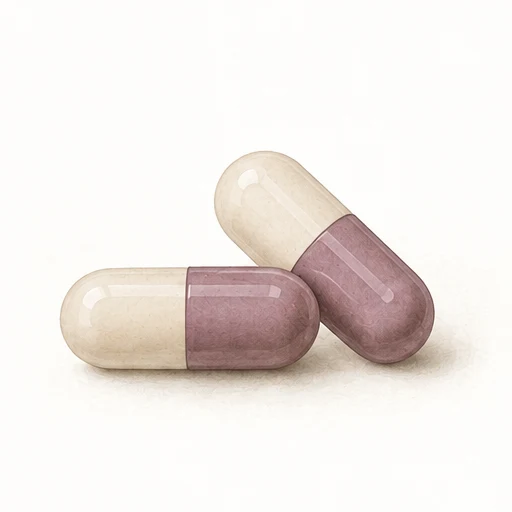
Mydayis
mixed amphetamine salts
No onset or duration estimate shown. Study measurement times do not predict individual symptom coverage.
View details for Mydayis
Label revision: Revised: 04/2026 · Editorial check:
Checked for ADHD ages, indications and key warnings. Not a full data verification or independent clinical review; read the complete label with your prescriber.
Additional editorial check: label sections 2, 3, 4, 7 — administration, strengths, contraindications and selected interactions.
Label-listed forms & strengths
Not recommended doses or confirmation of current supply. Ask a pharmacist about local brand and generic availability; do not substitute products yourself.
Capsule
ADHD ages in US label
Ages 13+
Dosing Timing
Upon waking; take consistently either with food or without food. Swallow whole, or sprinkle the entire contents on a spoonful of applesauce and consume immediately without chewing; do not store or divide the dose. Skip a missed dose rather than taking it later in the day.
Indications in US label
ADHD
Other indications may have different age limits. Local approvals and prescribing rules may differ.
Mechanism and its limits
Mydayis contains mixed amphetamine salts in a 3:1 d- to l-amphetamine ratio. Section 12.1 says amphetamines have CNS-stimulant activity but the exact therapeutic mechanism in ADHD is unknown; release phases do not establish an individual symptom-coverage window.
Release System
Three drug-releasing bead types: immediate-release plus two delayed-release beads that release at pH 5.5 and pH 7.0.
Selected adverse reactions
Section 6.1 controlled ADHD trials: incidence ≥5% and at least twice placebo in adolescents ages 13–17 and/or adults.
- Insomnia
- Decreased appetite
- Weight decreased
- Irritability
- Nausea
- Dry mouth
- Heart rate increased
- Anxiety
Not a complete safety list. An omitted reaction is not evidence of no risk. Trial rates cannot be compared directly between medicines or used to predict your risk; spontaneous reports do not establish frequency or causation. See the cited label and serious warnings below.
Serious Warnings
- • Avoid use in serious cardiac disease, including structural abnormalities, cardiomyopathy, serious arrhythmias or coronary artery disease; sudden death has been reported. Monitor blood pressure and heart rate.
- • High potential for abuse and misuse, which can lead to addiction, overdose, and death
- • Psychiatric adverse events: new or worsening psychosis, mania
- • Peripheral vasculopathy including Raynaud phenomenon
Contraindications in cited label
Conditions in the cited label’s contraindications section are listed separately from warnings above. Absence from this list does not mean a medicine is safe for you. Check the complete, current label with your prescriber.
- • Known hypersensitivity to amphetamine or other components of Mydayis
- • Concurrent use of MAOIs or within 14 days of discontinuing MAOIs
Selected label interactions
Not a complete interaction check. Share all medicines, supplements and planned procedures with your pharmacist or prescriber. Do not change treatment yourself.
- • MAOIs: contraindicated during use and for 14 days after stopping an MAOI because of hypertensive crisis risk.
- • Serotonergic drugs increase serotonin syndrome risk; CYP2D6 inhibitors may increase amphetamine exposure. Prescriber-led dose decisions and monitoring are required.
- • Gastrointestinal and urinary alkalinizing agents: the label calls for caution because exposure may increase. Acidifying agents lower blood levels; the prescriber must assess clinical response.
- • Tricyclic antidepressants may potentiate cardiovascular effects; frequent monitoring and prescriber-led treatment changes may be needed.
- • Gastric pH modulators may change the pharmacokinetic profile and exposure; monitor changes in clinical effect and use alternative therapy based on clinical response.
Approval history and supply
Brand/formulation approval history and current brand or generic supply have not been verified here. An ingredient’s initial US approval date is not necessarily this product’s approval date. A label listing does not establish current availability; ask a pharmacist about local products and supply.
Do not substitute other amphetamine products milligram-for-milligram; a prescriber must manage switching. Approved for ages 13+.
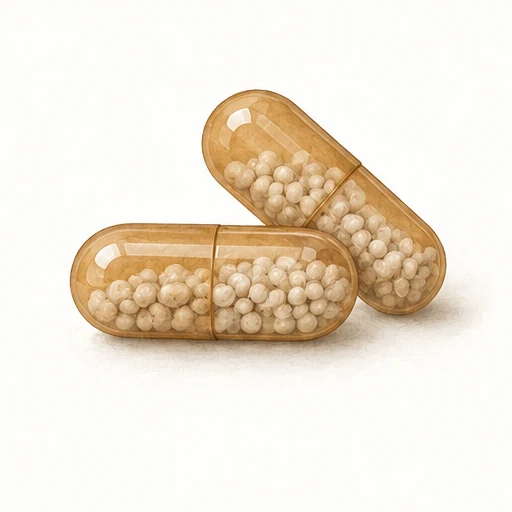
Dexedrine Spansule
dextroamphetamine sulfate
No onset or duration estimate shown. Study measurement times do not predict individual symptom coverage.
View details for Dexedrine Spansule
Label revision: Rev. 09-2025-03 · Editorial check:
Checked for ADHD ages, indications and key warnings. Not a full data verification or independent clinical review; read the complete label with your prescriber.
Additional editorial check: label sections Dosage and Administration, Description / How Supplied, Contraindications, Drug Interactions — administration, strengths, contraindications and selected interactions.
Label-listed forms & strengths
Not recommended doses or confirmation of current supply. Ask a pharmacist about local brand and generic availability; do not substitute products yourself.
Capsule
ADHD ages in US label
Ages 6–16
The labeled ADHD indication is limited to ages 6–16; narcolepsy is a separate indication.
Dosing Timing
The label permits once-daily Spansule dosing where appropriate; follow the prescribed schedule and avoid late evening doses. Do not assume that sprinkle instructions for other capsules apply.
Indications in US label
ADHD, Narcolepsy
Other indications may have different age limits. Local approvals and prescribing rules may differ.
Mechanism and its limits
Dexedrine Spansule contains dextroamphetamine sulfate. The label describes sympathomimetic CNS-stimulant actions but does not establish the precise therapeutic mechanism in ADHD; proposed catecholamine effects are pharmacology, not a demonstrated explanation of efficacy.
Release System
Sustained-release capsule formulation; the label does not establish an individual duration of benefit.
Selected adverse reactions
Selected reactions reported in the Dexedrine Spansule label’s unnumbered ADVERSE REACTIONS section; frequency is not established and these are not a controlled-trial “common reactions” list.
- Overstimulation
- Restlessness
- Dizziness
- Insomnia
- Headache
- Dry mouth
- Anorexia
- Weight loss
Not a complete safety list. An omitted reaction is not evidence of no risk. Trial rates cannot be compared directly between medicines or used to predict your risk; spontaneous reports do not establish frequency or causation. See the cited label and serious warnings below.
Serious Warnings
- • Avoid use in serious cardiac disease, including structural abnormalities, cardiomyopathy, serious arrhythmias or coronary artery disease; sudden death has been reported. Monitor blood pressure and heart rate.
- • High potential for abuse and misuse, which can lead to addiction, overdose, and death
- • Psychiatric adverse events: new or worsening psychosis, mania
- • Peripheral vasculopathy including Raynaud phenomenon
Contraindications in cited label
Conditions in the cited label’s contraindications section are listed separately from warnings above. Absence from this list does not mean a medicine is safe for you. Check the complete, current label with your prescriber.
- • Known hypersensitivity to amphetamine or other components of Dexedrine
- • Concurrent use of MAOIs or within 14 days of discontinuing MAOIs
Selected label interactions
Not a complete interaction check. Share all medicines, supplements and planned procedures with your pharmacist or prescriber. Do not change treatment yourself.
- • MAOIs: contraindicated during use and for 14 days after stopping an MAOI because of hypertensive crisis risk.
- • Serotonergic drugs and CYP2D6 inhibitors: increased serotonin syndrome risk; CYP2D6 inhibitors may increase exposure. Prescriber-led dose decisions and monitoring are required.
- • Acidifying agents lower amphetamine blood levels; alkalinizing agents increase them. The label says to avoid gastrointestinal alkalinizing agents.
- • Tricyclic antidepressants may potentiate cardiovascular effects; antihypertensive effects may be reduced.
- • Proton pump inhibitors can change the timing of peak concentration; monitor for changes in clinical effect rather than assuming a coverage window.
Approval history and supply
Brand/formulation approval history and current brand or generic supply have not been verified here. An ingredient’s initial US approval date is not necessarily this product’s approval date. A label listing does not establish current availability; ask a pharmacist about local products and supply.
The cited label describes a sustained-release capsule; it does not establish a comparative advantage over other formulations.
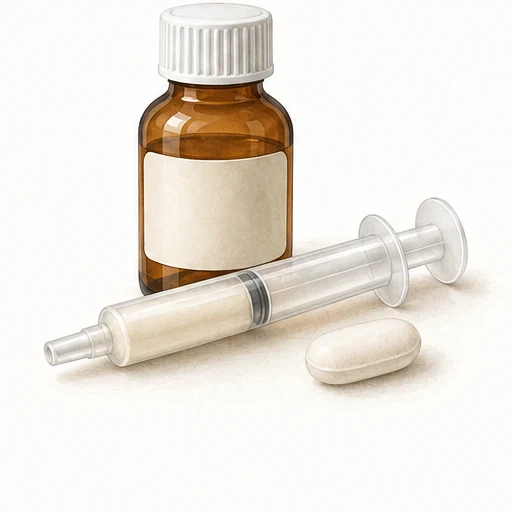
Dyanavel XR
amphetamine
No onset or duration estimate shown. Study measurement times do not predict individual symptom coverage.
View details for Dyanavel XR
Label revision: Revised: 09/2025 · Editorial check:
Checked for ADHD ages, indications and key warnings. Not a full data verification or independent clinical review; read the complete label with your prescriber.
Additional editorial check: label sections 2, 3, 4, 7 — administration, strengths, contraindications and selected interactions.
All strengths are amphetamine base equivalents: suspension 2.5 mg/mL; tablets 5, 10, 15 and 20 mg.
Label-listed forms & strengths
Not recommended doses or confirmation of current supply. Ask a pharmacist about local brand and generic availability; do not substitute products yourself.
Oral Suspension, Tablet
ADHD ages in US label
Ages 6+
Dosing Timing
Morning, with or without food. Shake the suspension well before every dose and use the oral dosing dispenser provided by the pharmacist. Tablets may be chewed or swallowed whole; only the 5 mg tablet has a functional score for division into equal halves.
Indications in US label
ADHD
Other indications may have different age limits. Local approvals and prescribing rules may differ.
Mechanism and its limits
Dyanavel XR contains amphetamine in an approximately 3.2:1 d- to l-amphetamine ratio. Section 12.1 describes CNS-stimulant sympathomimetic pharmacology but says the therapeutic mode of action in ADHD is unknown.
Release System
Extended-release oral suspension or extended-release tablet; the label does not establish an individual duration of benefit.
Selected adverse reactions
Section 6.1 Phase 3 controlled Dyanavel XR oral-suspension trial in 108 pediatric patients ages 6–12 with ADHD: incidence ≥2% and greater than placebo.
- Epistaxis
- Allergic rhinitis
- Upper abdominal pain
Not a complete safety list. An omitted reaction is not evidence of no risk. Trial rates cannot be compared directly between medicines or used to predict your risk; spontaneous reports do not establish frequency or causation. See the cited label and serious warnings below.
Serious Warnings
- • Avoid use in serious cardiac disease, including structural abnormalities, cardiomyopathy, serious arrhythmias or coronary artery disease; sudden death has been reported. Monitor blood pressure and heart rate.
- • High potential for abuse and misuse, which can lead to addiction, overdose, and death
- • Psychiatric adverse events: new or worsening psychosis, mania
- • Peripheral vasculopathy including Raynaud phenomenon
Contraindications in cited label
Conditions in the cited label’s contraindications section are listed separately from warnings above. Absence from this list does not mean a medicine is safe for you. Check the complete, current label with your prescriber.
- • Known hypersensitivity to amphetamine or other components of Dyanavel XR
- • Concurrent use of MAOIs or within 14 days of discontinuing MAOIs
Selected label interactions
Not a complete interaction check. Share all medicines, supplements and planned procedures with your pharmacist or prescriber. Do not change treatment yourself.
- • MAOIs: contraindicated during use and for 14 days after stopping an MAOI because of hypertensive crisis risk.
- • Serotonergic drugs and CYP2D6 inhibitors: increased serotonin syndrome risk; CYP2D6 inhibitors may increase exposure. Prescriber-led dose decisions and monitoring are required.
- • Avoid gastrointestinal or urinary alkalinizing agents, which increase amphetamine blood levels. Gastrointestinal or urinary acidifying agents lower blood levels; the prescriber must assess clinical response.
- • Tricyclic antidepressants may potentiate cardiovascular effects; frequent monitoring and prescriber-led treatment changes may be needed.
Approval history and supply
Brand/formulation approval history and current brand or generic supply have not been verified here. An ingredient’s initial US approval date is not necessarily this product’s approval date. A label listing does not establish current availability; ask a pharmacist about local products and supply.
Available as a suspension or tablet. Do not substitute other amphetamine products milligram-for-milligram; a prescriber must manage product changes.
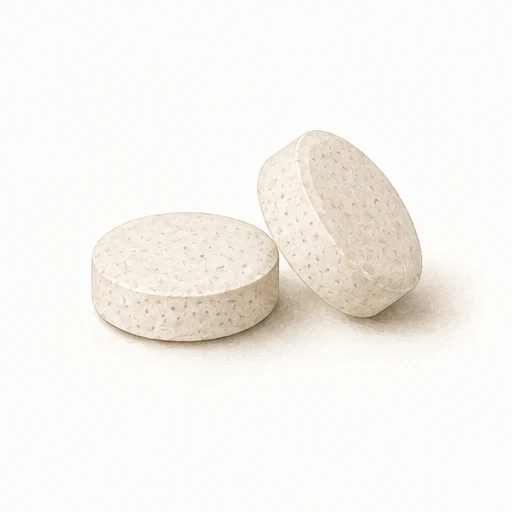
Adzenys XR-ODT
amphetamine
No onset or duration estimate shown. Study measurement times do not predict individual symptom coverage.
View details for Adzenys XR-ODT
Label revision: 09/2025 · Editorial check:
Checked for ADHD ages, indications and key warnings. Not a full data verification or independent clinical review; read the complete label with your prescriber.
Additional editorial check: label sections 2, 3, 4, 7 — administration, strengths, contraindications and selected interactions.
Strengths are expressed as amphetamine, not mixed amphetamine salts; they are not interchangeable milligram-for-milligram with other products.
Label-listed forms & strengths
Not recommended doses or confirmation of current supply. Ask a pharmacist about local brand and generic availability; do not substitute products yourself.
ODT
ADHD ages in US label
Ages 6+
Dosing Timing
Morning, with or without food. With dry hands, peel back the blister backing; do not push through foil. Immediately place the whole tablet on the tongue and let it disintegrate without chewing or crushing; swallow with saliva.
Indications in US label
ADHD
Other indications may have different age limits. Local approvals and prescribing rules may differ.
Mechanism and its limits
Adzenys XR-ODT contains amphetamine in an approximately 3.2:1 d- to l-amphetamine ratio. Section 12.1 says its therapeutic mode of action in ADHD is unknown; the label separately describes proposed norepinephrine and dopamine release/reuptake pharmacology.
Release System
Extended-release orally disintegrating tablet; the label does not establish an individual duration of benefit.
Selected adverse reactions
Section 6.1 controlled trials of the referenced single-entity mixed amphetamine salts extended-release capsules, which support Adzenys XR-ODT safety: incidence ≥5% and higher than placebo in at least one labeled age population; these were not direct Adzenys XR-ODT trials.
- Loss of appetite
- Insomnia
- Abdominal pain
- Emotional lability
- Vomiting
- Nervousness
- Nausea
- Fever
- Weight loss
- Dry mouth
- Headache
- Anxiety
- Agitation
- Dizziness
- Tachycardia
- Diarrhea
- Asthenia
- Urinary tract infection
Not a complete safety list. An omitted reaction is not evidence of no risk. Trial rates cannot be compared directly between medicines or used to predict your risk; spontaneous reports do not establish frequency or causation. See the cited label and serious warnings below.
Serious Warnings
- • Avoid use in serious cardiac disease, including structural abnormalities, cardiomyopathy, serious arrhythmias or coronary artery disease; sudden death has been reported. Monitor blood pressure and heart rate.
- • High potential for abuse and misuse, which can lead to addiction, overdose, and death
- • Psychiatric adverse events: new or worsening psychosis, mania
- • Peripheral vasculopathy including Raynaud phenomenon
- • Section 5.7: CYP2D6 inhibitors may increase exposure and serotonin syndrome risk; the prescriber should consider alternatives or closely monitored treatment.
Contraindications in cited label
Conditions in the cited label’s contraindications section are listed separately from warnings above. Absence from this list does not mean a medicine is safe for you. Check the complete, current label with your prescriber.
- • Known hypersensitivity to amphetamine or other components of Adzenys XR-ODT
- • Concurrent use of MAOIs or within 14 days of discontinuing MAOIs
Selected label interactions
Not a complete interaction check. Share all medicines, supplements and planned procedures with your pharmacist or prescriber. Do not change treatment yourself.
- • MAOIs: contraindicated during use and for 14 days after stopping an MAOI because of hypertensive crisis risk.
- • Serotonergic drugs increase serotonin syndrome risk; prescriber-led dose decisions and monitoring are required.
- • Alkalinizing agents increase amphetamine blood levels; section 7 specifically says to avoid gastrointestinal alkalinizing agents. Acidifying agents lower blood levels; the prescriber must assess clinical response.
- • Tricyclic antidepressants may potentiate cardiovascular effects; frequent monitoring and prescriber-led treatment changes may be needed.
Approval history and supply
Brand/formulation approval history and current brand or generic supply have not been verified here. An ingredient’s initial US approval date is not necessarily this product’s approval date. A label listing does not establish current availability; ask a pharmacist about local products and supply.
The label provides a product-specific switching table for Adderall XR; only a prescriber should manage switching, not a milligram-for-milligram substitution.
Xelstrym
dextroamphetamine
No onset or duration estimate shown. Study measurement times do not predict individual symptom coverage.
View details for Xelstrym
Label revision: Revised: 9/2025 · Editorial check:
Checked for ADHD ages, indications and key warnings. Not a full data verification or independent clinical review; read the complete label with your prescriber.
Additional editorial check: label sections 2, 3, 4, 7 — administration, strengths, contraindications and selected interactions.
Strengths describe delivered dextroamphetamine per 9 hours, not total drug content. Application timing is a label instruction, not a promise of individual onset or duration.
Label-listed forms & strengths
Not recommended doses or confirmation of current supply. Ask a pharmacist about local brand and generic availability; do not substitute products yourself.
Patch
ADHD ages in US label
Ages 6+
Dosing Timing
Apply 2 hours before an effect is needed and remove within 9 hours. Use one patch at a time and only one per 24 hours. Apply to clean, dry, intact skin on the hip, upper arm, chest, upper back, or flank; choose a different site each time. Do not cut or expose to direct external heat; follow the Instructions for Use.
Indications in US label
ADHD
Other indications may have different age limits. Local approvals and prescribing rules may differ.
Mechanism and its limits
Xelstrym delivers dextroamphetamine through a transdermal system. Section 12.1 says amphetamines have CNS-stimulant activity but the exact therapeutic mode of action in ADHD is unknown; transdermal delivery does not establish continuous absorption, steady levels, or an individual efficacy window.
Release System
Transdermal system labeled for no more than 9 hours of wear; wear time is an administration limit, not a duration-of-benefit claim.
Selected adverse reactions
Section 6.1 double-blind, placebo-controlled Xelstrym trial phase in pediatric patients ages 6–17 with ADHD: incidence ≥2% and greater than placebo.
- Decreased appetite
- Headache
- Insomnia
- Affect lability
- Tic
- Vomiting
- Abdominal pain
- Nausea
- Irritability
- Blood pressure increased
- Heart rate increased
Not a complete safety list. An omitted reaction is not evidence of no risk. Trial rates cannot be compared directly between medicines or used to predict your risk; spontaneous reports do not establish frequency or causation. See the cited label and serious warnings below.
Serious Warnings
- • Avoid use in serious cardiac disease, including structural abnormalities, cardiomyopathy, serious arrhythmias or coronary artery disease; sudden death has been reported. Monitor blood pressure and heart rate.
- • High potential for abuse and misuse, which can lead to addiction, overdose, and death
- • Psychiatric adverse events: new or worsening psychosis, mania
- • Peripheral vasculopathy including Raynaud phenomenon
- • Contact sensitization: discontinue if sensitization occurs
- • External heat may increase absorption
Contraindications in cited label
Conditions in the cited label’s contraindications section are listed separately from warnings above. Absence from this list does not mean a medicine is safe for you. Check the complete, current label with your prescriber.
- • Known hypersensitivity to amphetamine products or other components of Xelstrym
- • Concurrent use of MAOIs or within 14 days of discontinuing MAOIs
Selected label interactions
Not a complete interaction check. Share all medicines, supplements and planned procedures with your pharmacist or prescriber. Do not change treatment yourself.
- • MAOIs: contraindicated during use and for 14 days after stopping an MAOI because of hypertensive crisis risk.
- • Serotonergic drugs and CYP2D6 inhibitors: increased serotonin syndrome risk; CYP2D6 inhibitors may increase exposure. Prescriber-led dose decisions and monitoring are required.
- • Avoid urinary alkalinizing agents, which increase amphetamine blood levels. Urinary acidifying agents lower blood levels; the prescriber must assess clinical response.
- • Tricyclic antidepressants may potentiate cardiovascular effects; frequent monitoring and prescriber-led treatment changes may be needed.
Approval history and supply
Brand/formulation approval history and current brand or generic supply have not been verified here. An ingredient’s initial US approval date is not necessarily this product’s approval date. A label listing does not establish current availability; ask a pharmacist about local products and supply.
Do not use tape, dressings or other adhesives to secure the patch. If it falls off, do not reapply the same patch; follow the Instructions for Use for replacement. Combined wear time of the first and replacement patches must not exceed 9 hours in 24 hours; discuss wear-time changes with the prescriber.
Non-Stimulants
Non-stimulant medications offer alternatives for patients who cannot tolerate stimulants, have substance abuse concerns, or prefer a non-controlled option. They generally take longer to reach full effect.
Strattera
atomoxetine HCl
No onset or duration estimate shown. Study measurement times do not predict individual symptom coverage.
View details for Strattera
Label revision: 06/2026 · Editorial check:
Checked for ADHD ages, indications and key warnings. Not a full data verification or independent clinical review; read the complete label with your prescriber.
Additional editorial check: label sections 2, 3, 4, 7 — administration, strengths, contraindications and selected interactions.
Capsule strengths are expressed as atomoxetine, supplied as the hydrochloride salt.
Label-listed forms & strengths
Not recommended doses or confirmation of current supply. Ask a pharmacist about local brand and generic availability; do not substitute products yourself.
Capsule
ADHD ages in US label
Ages 6+
Dosing Timing
Morning, or divided morning and late afternoon/early evening doses as prescribed; with or without food. Swallow capsules whole; do not open them.
Indications in US label
ADHD
Other indications may have different age limits. Local approvals and prescribing rules may differ.
Mechanism and its limits
The precise mechanism by which Strattera produces therapeutic effects in ADHD is unknown. The label states that it is thought to relate to selective inhibition of the presynaptic norepinephrine transporter, based on ex vivo uptake and neurotransmitter-depletion studies (section 12.1).
Selected adverse reactions
Section 6.1 most commonly observed reactions in short-term placebo-controlled ADHD studies: incidence at least 5% and at least twice placebo. Pediatric patients 6 years and older and adults are listed separately.
- Pediatric: nausea, vomiting, fatigue, decreased appetite, abdominal pain, somnolence
- Adults: constipation, dry mouth, nausea, decreased appetite, dizziness, erectile dysfunction, urinary hesitation
Not a complete safety list. An omitted reaction is not evidence of no risk. Trial rates cannot be compared directly between medicines or used to predict your risk; spontaneous reports do not establish frequency or causation. See the cited label and serious warnings below.
Serious Warnings
- • BOXED WARNING: Suicidal thoughts and behaviors in pediatric patients 6 years and older. Close monitoring required, especially during initial treatment and dose changes; report new symptoms promptly to the prescriber.
- • Severe liver injury: seek prompt medical attention for jaundice, dark urine or other signs of liver injury.
- • Cardiovascular effects: increased heart rate and blood pressure. Measure both before treatment, after dose increases and periodically; assess cardiac disease. Orthostatic hypotension and syncope can also occur.
- • Serious allergic reactions including angioedema and urticaria
- • Psychiatric effects: new or worsening psychosis, mania, aggression, hostility
Contraindications in cited label
Conditions in the cited label’s contraindications section are listed separately from warnings above. Absence from this list does not mean a medicine is safe for you. Check the complete, current label with your prescriber.
- • Known hypersensitivity to atomoxetine or other constituents of Strattera
- • Concurrent use of MAOIs or within 14 days of discontinuing MAOIs
- • Narrow-angle glaucoma
- • Pheochromocytoma or history of pheochromocytoma
- • Severe cardiac or vascular disorders expected to deteriorate with clinically important increases in blood pressure or heart rate
Selected label interactions
Not a complete interaction check. Share all medicines, supplements and planned procedures with your pharmacist or prescriber. Do not change treatment yourself.
- • MAOIs: contraindicated during use and for 14 days after stopping an MAOI. Also wait at least 14 days after stopping Strattera before starting an MAOI; the prescriber must manage switching.
- • Strong CYP2D6 inhibitors increase atomoxetine exposure and require prescriber-led dosing and titration-interval decisions; CYP2D6 poor metabolizers also need special dosing consideration.
- • Antihypertensives, pressor drugs and other medicines that increase blood pressure: use cautiously with more frequent blood-pressure monitoring.
- • Albuterol or other beta2 agonists: more frequent blood-pressure and heart-rate monitoring may be needed. Systemically administered albuterol can have potentiated cardiovascular effects.
Approval history and supply
Brand/formulation approval history and current brand or generic supply have not been verified here. An ingredient’s initial US approval date is not necessarily this product’s approval date. A label listing does not establish current availability; ask a pharmacist about local products and supply.
There is no guaranteed time to full benefit or uninterrupted symptom coverage. Unlike alpha-2 agonists, the Strattera label says no taper is needed for discontinuation; discuss any treatment change with the prescriber.
Qelbree
viloxazine
No onset or duration estimate shown. Study measurement times do not predict individual symptom coverage.
View details for Qelbree
Label revision: 01/2025 · Editorial check:
Checked for ADHD ages, indications and key warnings. Not a full data verification or independent clinical review; read the complete label with your prescriber.
Additional editorial check: label sections 2, 3, 4, 7 — administration, strengths, contraindications and selected interactions.
Label-listed forms & strengths
Not recommended doses or confirmation of current supply. Ask a pharmacist about local brand and generic availability; do not substitute products yourself.
Capsule
ADHD ages in US label
Ages 6+
Dosing Timing
With or without food. Swallow capsules whole, or sprinkle the entire contents on a teaspoonful or tablespoonful of pudding or applesauce. Consume without chewing within 15 minutes for pudding or 2 hours for applesauce; do not store for future use. Do not cut, crush, or chew capsules.
Indications in US label
ADHD
Other indications may have different age limits. Local approvals and prescribing rules may differ.
Mechanism and its limits
The mechanism of action in ADHD is unclear; the label states that it is thought to be through inhibiting norepinephrine reuptake. Separately, pharmacodynamic studies show norepinephrine-transporter binding and inhibition and partial agonist activity at serotonin 5-HT2C receptors; the label does not establish that the serotonin activity produces the ADHD benefit (sections 12.1–12.2).
Release System
Extended-release capsule
Selected adverse reactions
Section 6.1 most commonly observed reactions in short-term randomized placebo-controlled ADHD trials: incidence at least 5% and at least twice placebo. Pediatric pooled trials (ages 6–17; 6–8 weeks) and the adult flexible-dose trial (ages 18–60; 6 weeks) are listed separately.
- Pediatric: somnolence, decreased appetite, fatigue, nausea, vomiting, insomnia, irritability
- Adults: insomnia, headache, somnolence, fatigue, nausea, decreased appetite, dry mouth, constipation
Not a complete safety list. An omitted reaction is not evidence of no risk. Trial rates cannot be compared directly between medicines or used to predict your risk; spontaneous reports do not establish frequency or causation. See the cited label and serious warnings below.
Serious Warnings
- • BOXED WARNING: Increased risk of suicidal thoughts and behaviors in pediatric and adult patients. Monitor closely, especially during initial treatment and dose changes; report new symptoms promptly to the prescriber.
- • Cardiovascular effects: increased heart rate and diastolic blood pressure. Measure both before treatment, after dose increases and periodically.
- • Activation of mania or hypomania
- • Somnolence and fatigue: avoid driving or hazardous activities until individual effects are known
- • May cause maternal harm in pregnancy; contact the prescriber promptly if pregnancy is suspected or confirmed
Contraindications in cited label
Conditions in the cited label’s contraindications section are listed separately from warnings above. Absence from this list does not mean a medicine is safe for you. Check the complete, current label with your prescriber.
- • Concurrent use of MAOIs or within 14 days of discontinuing MAOIs
- • Concurrent use with sensitive CYP1A2 substrates or CYP1A2 substrates with a narrow therapeutic range
Selected label interactions
Not a complete interaction check. Share all medicines, supplements and planned procedures with your pharmacist or prescriber. Do not change treatment yourself.
- • MAOIs: contraindicated during use and for 14 days after stopping an MAOI because of potentially life-threatening hypertensive crisis.
- • Strong CYP1A2 inhibition: sensitive CYP1A2 substrates and those with a narrow therapeutic range are contraindicated. Moderately sensitive CYP1A2 substrates are not recommended; a prescriber may need to reduce the substrate dose if coadministered.
- • Weak CYP2D6 and CYP3A4 inhibition can increase exposure to their substrates; monitor adverse reactions and let the prescriber adjust those medicines as needed.
Approval history and supply
Brand/formulation approval history and current brand or generic supply have not been verified here. An ingredient’s initial US approval date is not necessarily this product’s approval date. A label listing does not establish current availability; ask a pharmacist about local products and supply.
Strong CYP1A2 inhibitor: some combinations are contraindicated, not simply candidates for dose adjustment. Ask a pharmacist or prescriber to check all medicines and supplements. Once-daily dosing does not guarantee continuous symptom coverage.
Intuniv
guanfacine
No onset or duration estimate shown. Study measurement times do not predict individual symptom coverage.
View details for Intuniv
Label revision: 06/2025 · Editorial check:
Checked for ADHD ages, indications and key warnings. Not a full data verification or independent clinical review; read the complete label with your prescriber.
Additional editorial check: label sections 2, 3, 4, 7 — administration, strengths, contraindications and selected interactions.
Label-listed forms & strengths
Not recommended doses or confirmation of current supply. Ask a pharmacist about local brand and generic availability; do not substitute products yourself.
Tablet
ADHD ages in US label
Ages 6–17
The cited label establishes ADHD efficacy in children and adolescents aged 6–17, not adults.
Dosing Timing
Morning or evening; do not take with high-fat meals (increases absorption). Swallow whole; do not crush, chew, or break.
Indications in US label
ADHD as monotherapy or adjunctive to stimulants
Other indications may have different age limits. Local approvals and prescribing rules may differ.
Mechanism and its limits
Central alpha-2A adrenergic receptor agonist. The mechanism of action in ADHD is not known.
Release System
Extended-release matrix tablet (section 11)
Selected adverse reactions
Section 6.1 selected reactions from pediatric placebo-controlled ADHD trials. Fixed-dose monotherapy items met at least 5% and at least twice placebo; adjunctive items are the label-highlighted reactions from the flexible dose-optimization trial (ages 6–17), whose highlights do not state that same threshold.
- Fixed-dose monotherapy: hypotension, somnolence, fatigue, nausea, lethargy
- Adjunctive to a psychostimulant: somnolence, fatigue, insomnia, dizziness, abdominal pain
Not a complete safety list. An omitted reaction is not evidence of no risk. Trial rates cannot be compared directly between medicines or used to predict your risk; spontaneous reports do not establish frequency or causation. See the cited label and serious warnings below.
Serious Warnings
- • Hypotension and bradycardia: measure blood pressure and heart rate before treatment, after dose increases and periodically.
- • Sedation and somnolence: CNS depressants can add to sedation; avoid alcohol and use caution with driving until effects are known.
- • Do not stop abruptly: rebound hypertension and hypertensive encephalopathy have been reported. A prescriber must plan gradual discontinuation and monitoring, especially with concomitant stimulants. Contact the prescriber if vomiting prevents doses.
- • Syncope: may occur, especially with dehydration or concomitant antihypertensives
- • Cardiac conduction abnormalities: use caution in patients with heart block
Contraindications in cited label
Conditions in the cited label’s contraindications section are listed separately from warnings above. Absence from this list does not mean a medicine is safe for you. Check the complete, current label with your prescriber.
- • History of hypersensitivity to Intuniv, its inactive ingredients, or other guanfacine products
Selected label interactions
Not a complete interaction check. Share all medicines, supplements and planned procedures with your pharmacist or prescriber. Do not change treatment yourself.
- • Strong or moderate CYP3A4 inhibitors increase guanfacine exposure; strong or moderate CYP3A4 inducers decrease it. Both starting and stopping these medicines may require prescriber-led dose changes.
- • Section 5 cautions: antihypertensives and other drugs that lower blood pressure or heart rate may increase hypotension, bradycardia or syncope; CNS depressants can add to sedation.
Approval history and supply
Brand/formulation approval history and current brand or generic supply have not been verified here. An ingredient’s initial US approval date is not necessarily this product’s approval date. A label listing does not establish current availability; ask a pharmacist about local products and supply.
Do not substitute immediate-release guanfacine milligram-for-milligram. CYP3A4 inhibitors and inducers may require prescriber-led dose changes. Adult prescribing rules differ between countries.
Kapvay
clonidine HCl
No onset or duration estimate shown. Study measurement times do not predict individual symptom coverage.
View details for Kapvay
Label revision: Revision not stated · Editorial check:
Checked for ADHD ages, indications and key warnings. Not a full data verification or independent clinical review; read the complete label with your prescriber.
Additional editorial check: label sections 2, 3, 4, 7 — administration, strengths, contraindications and selected interactions.
Historical 2010 FDA label, not confirmed as the latest; the patient leaflet prints an incomplete issue date. Listed brand strengths are historical; current brand availability and generic product labeling require pharmacist confirmation.
Label-listed forms & strengths
Not recommended doses or confirmation of current supply. Ask a pharmacist about local brand and generic availability; do not substitute products yourself.
Tablet
ADHD ages in US label
Ages 6–17
The historical label supports pediatric ADHD use; adult ADHD use was not studied.
Dosing Timing
With or without food. Bedtime only or divided morning and bedtime doses as prescribed; an equal or higher portion is taken at bedtime. Swallow whole; do not crush, cut, or chew.
Indications in US label
ADHD as monotherapy or adjunctive to stimulants
Other indications may have different age limits. Local approvals and prescribing rules may differ.
Mechanism and its limits
Clonidine stimulates alpha-2 adrenergic receptors in the brain, but its mechanism of action in ADHD is not known. Its reduction of sympathetic outflow from the brain stem is labeled pharmacology for clonidine as an antihypertensive and is not presented as the explanation for ADHD benefit (sections 12.1–12.2 of the historical label).
Release System
Historical label: extended-release tablet designed to delay absorption and decrease peak-to-trough plasma concentration differences; this describes release and does not establish a clinical advantage (section 11).
Selected adverse reactions
Historical 2010 label section 6.1, pediatric placebo-controlled ADHD trials (ages 6–17): selected treatment-period reactions occurring in at least 5% of Kapvay-treated patients and at least twice placebo. The historical label pooled this threshold across monotherapy and adjunctive trial results rather than supplying a current-product estimate.
- Somnolence
- Fatigue
- Upper respiratory tract infection
- Irritability
- Throat pain
- Insomnia
- Nightmares
- Emotional disorder
- Constipation
- Nasal congestion
- Increased body temperature
- Dry mouth
- Ear pain
Not a complete safety list. An omitted reaction is not evidence of no risk. Trial rates cannot be compared directly between medicines or used to predict your risk; spontaneous reports do not establish frequency or causation. See the cited label and serious warnings below.
Serious Warnings
- • Hypotension and bradycardia: measure blood pressure and heart rate before treatment, after dose increases and periodically; avoid dehydration or overheating.
- • Sedation and somnolence: CNS depressants can add to sedation; avoid alcohol and use caution with driving until effects are known.
- • Do not stop abruptly: a prescriber must plan gradual discontinuation to avoid rebound hypertension and withdrawal effects.
- • Cardiac conduction abnormalities: use caution with cardiac disease or concomitant drugs that affect heart rate
- • Renal impairment: dose adjustment may be needed
Contraindications in cited label
Conditions in the cited label’s contraindications section are listed separately from warnings above. Absence from this list does not mean a medicine is safe for you. Check the complete, current label with your prescriber.
- • Known hypersensitivity to clonidine
Selected label interactions
Not a complete interaction check. Share all medicines, supplements and planned procedures with your pharmacist or prescriber. Do not change treatment yourself.
- • Historical label: no pediatric Kapvay interaction studies; the listed interactions were reported with other oral immediate-release clonidine formulations.
- • Historical label: CNS depressants, including alcohol, can add to sedation. Tricyclic antidepressants may reduce the hypotensive effect.
- • Historical label: use caution with digitalis, calcium channel blockers or beta blockers because of additive bradycardia or AV block, and with antihypertensives because of hypotension or syncope.
- • Historical label: do not use with other clonidine-containing products (sections 5.6 and 7.4). This instruction is not listed as a section 4 contraindication.
Approval history and supply
Brand/formulation approval history and current brand or generic supply have not been verified here. An ingredient’s initial US approval date is not necessarily this product’s approval date. A label listing does not establish current availability; ask a pharmacist about local products and supply.
Not interchangeable with immediate-release clonidine or Onyda XR. Treatment may begin at bedtime only, with later divided doses as prescribed. Sedation is an adverse effect, not an approved insomnia indication.
Onyda XR
clonidine HCl
No onset or duration estimate shown. Study measurement times do not predict individual symptom coverage.
View details for Onyda XR
Label revision: 04/2025 · Editorial check:
Checked for ADHD ages, indications and key warnings. Not a full data verification or independent clinical review; read the complete label with your prescriber.
Additional editorial check: label sections 2, 3, 4, 7 — administration, strengths, contraindications and selected interactions.
After first opening, discard unused suspension after 30 days for the 30 mL and 60 mL bottles, or 60 days for the 120 mL bottle. Follow the supplied product instructions.
Label-listed forms & strengths
Not recommended doses or confirmation of current supply. Ask a pharmacist about local brand and generic availability; do not substitute products yourself.
Oral Suspension
ADHD ages in US label
Ages 6–17
Indicated for pediatric patients aged 6 and older; supporting ADHD studies enrolled ages 6–17. Not an adult ADHD indication.
Dosing Timing
At bedtime, with or without food. Gently shake for at least 10 seconds with a smooth up-and-down motion to avoid foaming; use the supplied oral dosing dispenser and bottle adapter. Skip missed doses; do not double up.
Indications in US label
ADHD as monotherapy or adjunctive to CNS stimulants
Other indications may have different age limits. Local approvals and prescribing rules may differ.
Mechanism and its limits
Clonidine stimulates alpha-2 adrenergic receptors in the brain. Its mechanism of action in ADHD is not known.
Release System
Extended-release oral suspension; most of the clonidine hydrochloride is complexed with sodium polystyrene sulfonate (section 11). This formulation description does not establish a clinical advantage.
Selected adverse reactions
Onyda XR label section 6.1: safety is based on pediatric clonidine hydrochloride extended-release tablet trials in ages 6–17, not trials of the oral suspension. Listed reactions occurred at least 5% and at least twice placebo in the fixed-dose monotherapy trial or flexible-dose adjunctive-to-psychostimulant trial.
- Tablet monotherapy evidence: somnolence, fatigue, irritability, insomnia, nightmare, constipation, dry mouth
- Tablet adjunctive-to-psychostimulant evidence: somnolence, fatigue, decreased appetite, dizziness
Not a complete safety list. An omitted reaction is not evidence of no risk. Trial rates cannot be compared directly between medicines or used to predict your risk; spontaneous reports do not establish frequency or causation. See the cited label and serious warnings below.
Serious Warnings
- • Hypotension and bradycardia: measure blood pressure and heart rate before treatment, after dose increases and periodically; avoid dehydration or overheating.
- • Sedation and somnolence: avoid alcohol and use caution with driving until effects are known.
- • Do not stop abruptly: a prescriber must plan gradual discontinuation to avoid rebound hypertension. Contact the prescriber if vomiting prevents doses.
- • Cardiac conduction abnormalities: use caution with cardiac disease
Contraindications in cited label
Conditions in the cited label’s contraindications section are listed separately from warnings above. Absence from this list does not mean a medicine is safe for you. Check the complete, current label with your prescriber.
- • Known hypersensitivity to clonidine
Selected label interactions
Not a complete interaction check. Share all medicines, supplements and planned procedures with your pharmacist or prescriber. Do not change treatment yourself.
- • Onyda XR interaction studies have not been conducted; section 7 relies on oral immediate-release clonidine data.
- • CNS depressants add to sedation; the label says to avoid concomitant use. Drugs affecting sinus node function or AV conduction (such as digitalis, calcium channel blockers and beta blockers) can add to bradycardia or AV block; avoid concomitant use.
- • Antihypertensives can potentiate hypotension; monitor blood pressure and heart rate. Tricyclic antidepressants can increase blood pressure and counteract the hypotensive effect. The prescriber may need to adjust treatment.
Approval history and supply
Brand/formulation approval history and current brand or generic supply have not been verified here. An ingredient’s initial US approval date is not necessarily this product’s approval date. A label listing does not establish current availability; ask a pharmacist about local products and supply.
The labeled strength is 0.1 mg clonidine hydrochloride per mL, equivalent to 0.09 mg clonidine base. Do not substitute other clonidine products milligram-for-milligram. This liquid formulation has different release characteristics from Kapvay tablets.
No medications found
Try adjusting your search or filters
Side effects listed are not exhaustive. Not everyone will experience these side effects. Report any new or worsening symptoms to your healthcare provider immediately.
Frequently Asked Questions
What is the difference between stimulant and non-stimulant ADHD medications?
Stimulants include methylphenidate- and amphetamine-based medicines; non-stimulants use different mechanisms. There is no universal first-line medicine: guidelines, licensing and age limits differ by country.
Onset and response vary by product and person. Ask a local prescriber which options are licensed, appropriate and available for you.
What is the difference between immediate-release and extended-release?
Immediate-release and extended-release products deliver medicine differently. Their onset and duration depend on the specific product and person; the ranges shown on cards are estimates, not guarantees.
A prescriber can explain how a formulation may fit your needs and how its effects should be monitored.
Are ADHD medications addictive?
US FDA boxed warnings state that prescription stimulants carry risks of misuse, abuse, addiction, overdose and death, including when prescribed. Risk is not zero.
Take them only as directed, store them securely and never share them. Non-stimulants have different safety warnings and are not risk-free.
How do I know which ADHD medication is right for me?
Choice depends on your treatment goals, health, other medicines, preferences, local guidance and product licensing. There is no universal first-line choice.
A qualified prescriber should assess suitability and agree how benefits, adverse effects, blood pressure, pulse and other relevant concerns will be monitored.
What are the most common side effects?
Side effects and serious warnings differ by medicine and person; the card summaries are not exhaustive.
Review the current local product information with a prescriber or pharmacist, report new or worsening symptoms, and ask which symptoms need urgent care.
Can adults take ADHD medication?
Some products are approved for adults and others only for particular ages or indications. The age fields here summarize US FDA labeling, not approval elsewhere.
A local prescriber must confirm whether a product is licensed and appropriate where you live and what monitoring is needed.
Sources and scope
Use current local prescribing information for decisions. These sources support the general treatment, monitoring and safety context above; they do not independently validate every database entry.
Open ADHD is a community educational resource. We are not healthcare providers. The information on this site is gathered from FDA prescribing information, peer-reviewed research, and clinical guidelines, but it may not be complete or current.
Medication comparisons are provided for informational purposes only. The best medication choice depends on individual factors that only your healthcare provider can evaluate.